Developmental Twisting Part 3.
The key to long term gymnastics success has always been preparation. You need to lay the base for the future NOW.
What do you do to develop good twisting technique? Share your drills and ideas here!
Developmental Twisting drills for gymnastics.
This is the second installment in the twisting drills that I do with compulsory gymnasts to prepare them for optional skills.
Make sure you at least READ Part 1.
Although I do most of these drills on trampoline they can easily be done on Tumble Trak or even on a mat on the floor.
Picking up where we left off we did “Dog rolls” and lead up for swivel hips.
[Read more…]
Developmental Twisting Part 1
This will be the first in a series of articles and videos on Twisting Technique. I get a feeling I will be revisiting this page and updating it often.
If you cannot explain it simply, you do not understand it well enough. – Albert Einstein
I really try to keep it simple. Use one basic technique for front and back twisting that will also transfer to other events.
A couple of rules that I follow.
– Twist the SAME direction front and Back
– Teach a straight arm twist
– There is no substitute for a good layout shape.
– Teach a LATE twist.
WARNING- 2 conflicting statements below!
A LEFT round off is a RIGHT twist. As you do a LEFT round off your RIGHT shoulder drops back. If you are doing a Back Layout and twist RIGHT your Right shoulder drops back.
In general I like to teach a left twist to a left roundoff and a right twist for a right roundoff. This allows the gymnast to more easily do a step out – out of a twist into a roundoff or front handspring. (This does NOT work all the time. It is just a place to start).
Here is my first step in teaching twisting. Teaching the gymnasts straight arm drop and 1/4 turns.
The second drill is seat drop side roll over. This simulates front twisting.
Happy New Year!
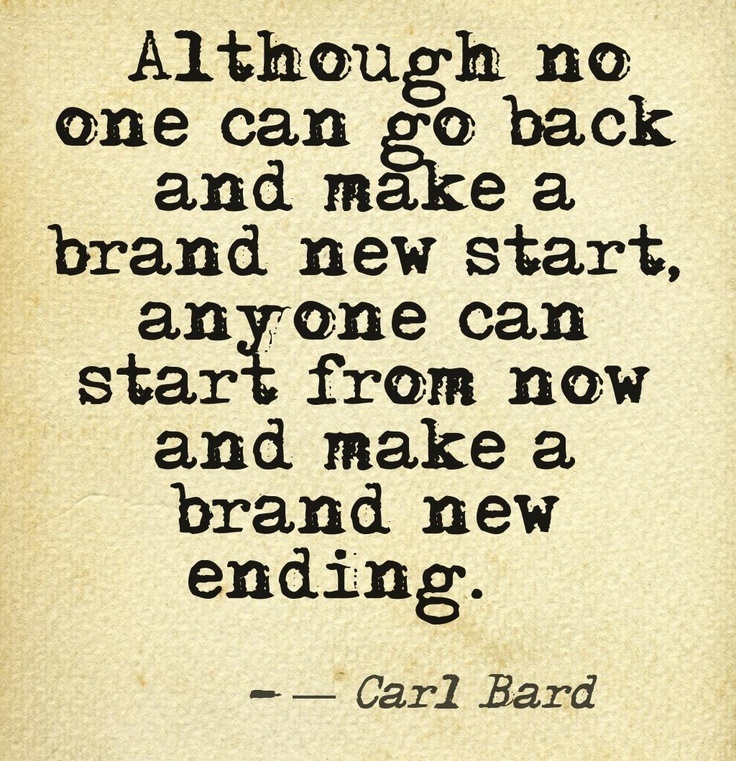






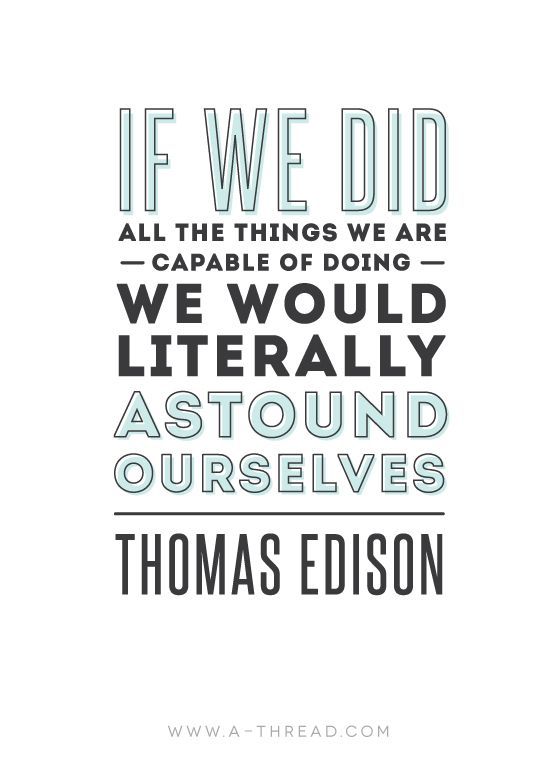



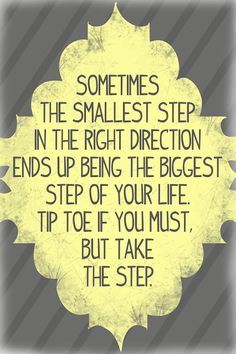
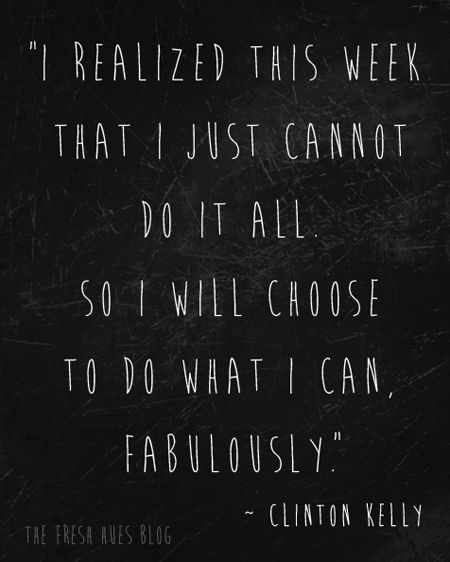




What is your favorite Inspirational Quote? I know you have one! So SHARE IT!
12/30/2013. As most people were getting ready for New Years Eve celebrations Gym Momentum Camp coach Jamie Donkin and I traveled to Bow, NH where we did a one day clinic at Granite State Gymnastics Center.
Although the clinic was geared toward OPTIONAL LEVEL gymnastics they had some pretty talented level 4 and 5s. This worked out great because we were able to show different stages of development. Where a drill starts and what skill, long term, it is for.
Having the two of us together was great because although we are very like minded, we do see things differently.
We covered:
Conditioning for Success
Basic Tumbling (this was a general basic tumbling workout covering basics for all events)
Twisting Drills
Double Salto Pass Drills
Then we divided into 2 groups for Bars and Beam.
On Bars I covered Casting and swinging. With one of the groups we did dismounts and lead up for Tkatchev and Shoposhnikova. I stressed the importance of the DOWN SWING as I was seeing many girls break shape to early. We used a few floor bar drills and the “Forester Bar” from Tumble Trak to show those shapes.
The other group covered a variety of in bar skills and lead ups. I think it is important for each gymnast to understand where each skill and drill leads. We broke down front hip circles, mill circles and seat circles so the girls could see the importance of each.
I was very impressed with the coaches attention to detail. Really wanting to see things done correctly. Not just “Throw and go” .
T.R.
(From Jamie) On Beam one of the main things we discussed for the younger group was landing stability for leaps and jumps. I wanted to help create strength in the ankles as well as confidence in the athlete for their landing position. I gave them a series of stretch jumps and landing positions to go over.
With the older group we focused a little more on full extension through legs for acro series as well as high lighting landing shapes unique to individual athletes for their strengths and/or weaknesses.
The group as a whole were great! They were very eager to learn and I was most pleased with the athletes asking questions ready to improve their own gymnastics. What I like about the coaches is that they were very thorough in trying to comprehend the new drills and techniques and were discussing when to sit down to create a cohesive front for applying these new drills within the gyms curriculum.
J.D.
At the end of the clinic we sat with the coaches and talked to them about becoming Failure Tolerant coaches and to take a systematic approach. Jamie and I covered a lot of ground. It would be impossible to cover it all every day. Get a plan. Stick to it.
Interested in having a Gym Momentum Clinic at your gym? Contact Me! We will shape the clinic around your needs. I have a number of coaches through out North America who can do the clinic.
I am often in Europe and available to do clinics there as well.
I am always amazed by the creativity of gymnastics coaches. Rebecca Sykes from Salto Gymnastics in Edmonton sent me a good video of a drill she started doing in her morning training.
[Read more…]
This is a repost from Last Year (Jan 1 2013). Just doing a little self reflection to see how I did in 2013. How did you do? I find it odd that I was thinking about this as I spent a very early morning plowing and spreading salt after 2 days of rain and ice.
Tony 12/31/2013
I spent this morning plowing the parking lots of my gyms. While plowing I have a lot of time to reflect on gym, life, gym-life, and caribbean vacations.
My thoughts today were on ways to become a better coach and how to inspire those around me to be a better coaches and teachers. Now that I am sitting on my couch, half watching a football game, I found a good article, “Top 12 Ways to Become a Better Coach” on Gymnasticszone.com. Summed up in a sentence:
for coaches to get success like they have never had before, coaches are required to do things they have never done before.
 My New Years Resolutions for 2013
1. Get out of my own head and get out of my own way.
2. Try to see what I am doing through the eyes of my gymnasts. Look at the BIG PICTURE
3. Challenge my beliefs, ideas, methods and strategies about how coaching should work. I ‘ve been coaching a LONG time. I’ve had National Team members and I’ve had gymnasts who broke my heart because they had the talent but not the heart. I’ve had gymnasts who were amazing swinging bars and kids who struggled. The same is true for all events. This year I will keep in mind that every gymnast and every group is different. I need to coach outside the box and try to find some innovative solutions.
4. Look for the opportunities in every problem situation.
5. Identify the blocks that keep me from breaking a bad habit that affects my coaching. New year, New Good Habits.
6. Make a stronger effort to connect with my gymnasts and their parents. The more I know about them, the more I will appreciate them, and can provide excellent service.
7. Read and study information about coaching other sports, thinking all the while what lessons I can learn and new techniques I can apply to my own coaching in gymnastics.
8. Spend time every day watching gymnastics videos. The Internet has made this remarkably easy and virtually free. I will gain much insight into your coaching and sport by watching the latest and greatest being done around the world.
9. Find a gymnastics and/or life coaching mentor.
I posed this as a question to a few coaches who work for me, to some coaches who I know and respect and even a few gymnasts. Here are some of their responses:
3. Let the pizza cool before biting into it.
4. Receive less restraining orders (Yeah, I probably should NOT have e-mailed this guy)
5. Make someone smile every day
6. Teach each kid an individual skill
7. Contribute more to GYM MOMENTUM. This should be on everyones list!
I have always believed in a few cliches
Actions speak louder than words
Lead by action
When I was teaching in an elementary school I told the kids to BE A VERB.
A very clever student said asked if “delinquent” was a verb.
I said NO, it was an adjective. But, I pointed out, that “detention” could be used as a verb.
The moral is that we need to be active in our coaching. Our gymnasts do not want us to just talk and talk. Drs Joe and Sue Massimo point out that one of the things our athletes want out of us is MINIMAL VERBIAGE. I do not know if it is an AMERICAN thing or just a coaching thing but we seem to believe that why should we say something in 5 words when we can use 50?
So for New Years- Try Being a TWITTER COACH.
Twitter Coaching:
As you know the goal of Twitter is get your message across in 140 characters or less. Over the years some of the best coaches I have seen are what I now call Twitter Coaches. Great coaches are great teachers. They get their message across in a very succinct on point manner. Seldom do great coaches speak in paragraphs, they speak in sentences that are very direct and intended to elicit a specific behavior.
– Tell your gymnasts what correction they need to make without a lengthy speech.
– Give them a correction NOT an observation.
example: A professional says “you need to squeeze your left knee”.
v.
A parent says “Your leg was bent”
– Keep your corrections to a minimum- A GOOD gymnast will only be able to make 1 correction in a routine.
-A GREAT gymnast may possibly be able to make 2.
If you give more, they probably won’t make ANY or each one a little.
As a rule, take your gymnasts AGE and realize you have you have that in SECONDS to make your correction. A 12 year old has about 12 seconds of attention to make a correction. A 5 year old has about 5 seconds. (ALL BOYS are 5!)
Be a twitter coach and improve your coaching effectiveness. By the way follow me on Twitter @gym_momentum and @tretrosi.
In all my years of coaching I have never heard a coach say that the problem was TOO MUCH practice time. Everyone complains about not having enough time in the gym. Wishing they could get the gymnasts there earlier, stay later, didn’t miss practices due to illness or school functions.
In the end, too many coaches waste a great deal of time by not having a plan as they approach practice. Many also do things within practice that undermines their overall goal of athlete development.
I was thinking about this when I stumbled across Functional Path Training Blog. I have used a series of his blogs as an outline.
The key to getting better is practice. Up to a point when an athlete is beginning their career virtually anything they do will make them better, in fact the more they do the better they get. Then there comes a point when practice must be guided and have a specific purpose. The mantra the practice makes perfect is passé. We know that PRACTICE MAKES PERMANENT. Therefore how you practice is extremely important
The first consideration in effective practice is consistency. A set routine is the basis for consistent practice. Great athletes and great teams have set routines for training that do not vary. In fact with individual athletes training routines sometimes border on ritual. Routine allows the athlete to focus on the task at hand. There is security in having a routine. Your gymnasts know what to expect. It gives an anchor point to build the training session upon. Start on time, have specific objectives and stay on task, then practice will be meaningful. The best gymnasts I worked with were the ones most consistent in workout and competitions. You did not need a watch to tell what time it was, when they showed up to training it was 2:30 PM for afternoon workouts! They came in went to the same spot on the floor and did their own stretching until it was time for our organized warm up. We did the same warm-up, and it hardly ever varied. It did not matter if it was hot or cold we did the same thing. When we went to competitions we followed the same routine. There is a powerful message here, find a routine that works and live by it. As coaches we need to set routines for our athletes, we need to teach young developing athletes the necessity of routine as part of their daily preparation. When I change training cycles my first objective is always routine. As training cycles change routines sometimes have to change, so having it as an up front object underscores it’s importance.
Repetition is the mother of learning. We are what we repeatedly do. I doubt anyone would argue with those points. The task then becomes to carefully choose what we repeat. It is necessary to have a clear idea of the technical model you wish to achieve and a plan to achieve the desired technique. We know that practice makes permanent so repeating incorrect or flawed movements will ingrain the faults. It is very important to fit the technique to the person not the person to the technique. Certainly more is not better. Quality is the goal and quality is a measure of perfect. Therefore the ultimate goal of repetition in training is mastery. To achieve mastery demands progression, from easy to hard and simple to complex.
Refinement is fine tuning the practice after the basic technical model has been mastered. Often we are in a hurry and try to do this too early in the process and the whole technical model erodes. Refinement does not have to pertain to just technique or skill it also can refer to development of physical qualities. Keep in mind that every group you have will be slightly different and every gymnast will have their own needs. Start with the BIG PICTURE then refine as they get older. Simply – refinement follows repetition in the development of the athlete.
Here are two of my favorites: “Let’s go – take 10 laps around the floor and then we will get started with training.” “If you miss this flight series then you will have to climb the rope.” Think about it, you see this all the time at all levels of our sport, talk about a practice killer! Practice time is precious; it is a daily opportunity to improve skill, tactics and sport specific fitness, and wasting time slogging laps to “warm-up” or extra rope for punishment does not optimize the opportunity to improve. It does nothing to make the athlete better and a lot to make them tired and diminish motivation. Be creative how you start practice what you do to start practice sets the tempo for the practice. Start with a brief explanation of the days practice and then do something that is meaningful and mindful to get them into the practice. The same with mindless stretching for a cooldown, do something that will set-up tomorrows training session. Make what you do meaningful and motivational; every step of practice should be directed to making the athlete better.
I understand that everything in the gym should have consequences and sometimes those consequences will have a physical nature to them. BUT make them specific. – If you hit your feet on floor after a clear hip circle, You need to go and do 3 back extension rolls to push up holding the correct position.
Starting practice with a long lecture is a surefire way to ruin the training session. Coaches are good at talking and love to talk, but the start of practice is not the time and place. Recognize that the athletes are there to train, not to listen to a lecture. My rule of thumb is no more that 2 minutes of talking that consists of very specific instructions pertaining to the training session. We know how long we can hold someone’s attention – not long – so use that knowledge. Make it short, sharp filled with action words that are directed to the desired actions during the training session. It should be information rich and positive. If you don’t know what to say then don’t say anything. Think of it this way: Know your point, make your point, stay on point and summarize with a clear call to action based on the points of emphasis. Coaches like to talk, that does mean you should.
Some of the best advice I got early in my career was to remember that we have two eyes, two ears and one mouth for a reason. Watch and listen more and talk less.
Have an idea you want to share? Keep the momentum going! Share your thoughts and ideas
1. Traveling with children can be a challenge, especially in this season of chilly weather and crowded airports. To make it easier, assemble an arts and crafts kit – crayons, paper, felt, markers, stickers, pipe cleaners, glitter-glue – in a sturdy box. Use the box to knock yourself unconscious. Or Them…
2. Children crave routine, and find listening to the same stories over and over again soothing. If you’ve grown weary of the holiday books you’ve read your kid 7,883 times, try adding “dude” to the end of every line of dialogue.
3. I am NOT a religious guy but Religious traditions are easy to lose sight of in today’s marketing frenzy. Make sure you take time to gently usher your little ones into the rituals that have special meaning for you. In our household, we’ve made a point of teaching our son all the parts in our annual holiday pageant. There’s nothing more heartwarming than watching your child place a velociraptor in the nativity scene.
4. If you love the idea of attributing all your hard work to some ruddy-faced, morbidly obese imp from an enchanted, snow-covered land, consider telling the children that their Christmas gifts were delivered by beleaguered Toronto Mayor Rob Ford.
5. For many families, gift-giving is a major source of stress – the relentless commercialism, the whining demands, the financial pressure. This year, simplify your holidays and create lasting family memories by taking a cue from our ancestors. With nothing more than a few dollars’ worth of wood, glue and glitter, you can create a family’s worth of festive billyclubs, beat your neighbors into submission, and abscond with their gifts.
6. Another fun low-cost gift idea is to exchange family coupons: Mom Does Your Chores, Breakfast In Bed, Stay Up Late One Weekend Night, Take a Bath Without Complaining. And don’t forget to add the fine print – Offer Expires 1/1/14, Good With Purchase Only, Entrée Not Included, Employees and Family Members Not Eligible.
7. Grandparents, as the old saying goes, are a mixed blessing. While they can be enthusiastic purveyors of cost-free child-care, they also have a tendency to ignore or even contradict the decisions we make about how to raise our children – inappropriately doling out sweets, or purchasing gifts that undercut our values, such as tutus, assault rifles and chewing tobacco. Unresolved issues can complicate your efforts to reason with your own parents, so consider avoiding a head-on confrontation and instead relying on simple reverse psychology. If grandma and grandpa insist on going against your wishes, lie about your wishes. Encourage them to shame and ridicule the children for any activity or sartorial decision that falls outside of strict gender stereotypes; suggest that an outing to the pachinko parlor would be great fun for everyone; remind them that kids don’t really need to eat more than once a day and thrive on sugar, gluten and processed foods.
8. A holiday vacation can mean sampling all kinds of new cuisine – whether it’s Uncle Joe’s award-winning chili or the exotic flavors of Nepal. If your little ones are fussy, be sure to ease mealtime hassles by bringing along a supply of the familiar foods they’re accustomed to rejecting at home.
9. A gaggle of different-aged cousins playing together all vacation long sounds great in theory, but to avoid chaos and hurt feelings, set some ground rules first. Try shaking up the power dynamics by putting the youngest kid in charge for the whole week, and making sure the older ones know they’ll be punished severely if they don’t obey his or her every command.
10. Above all, remember: The holidays, like childhood, are supposed to be fun – and they’ll both be over before you know it! I mean that, of course, in the sense that you, personally, are likely to lapse into a lengthy coma.