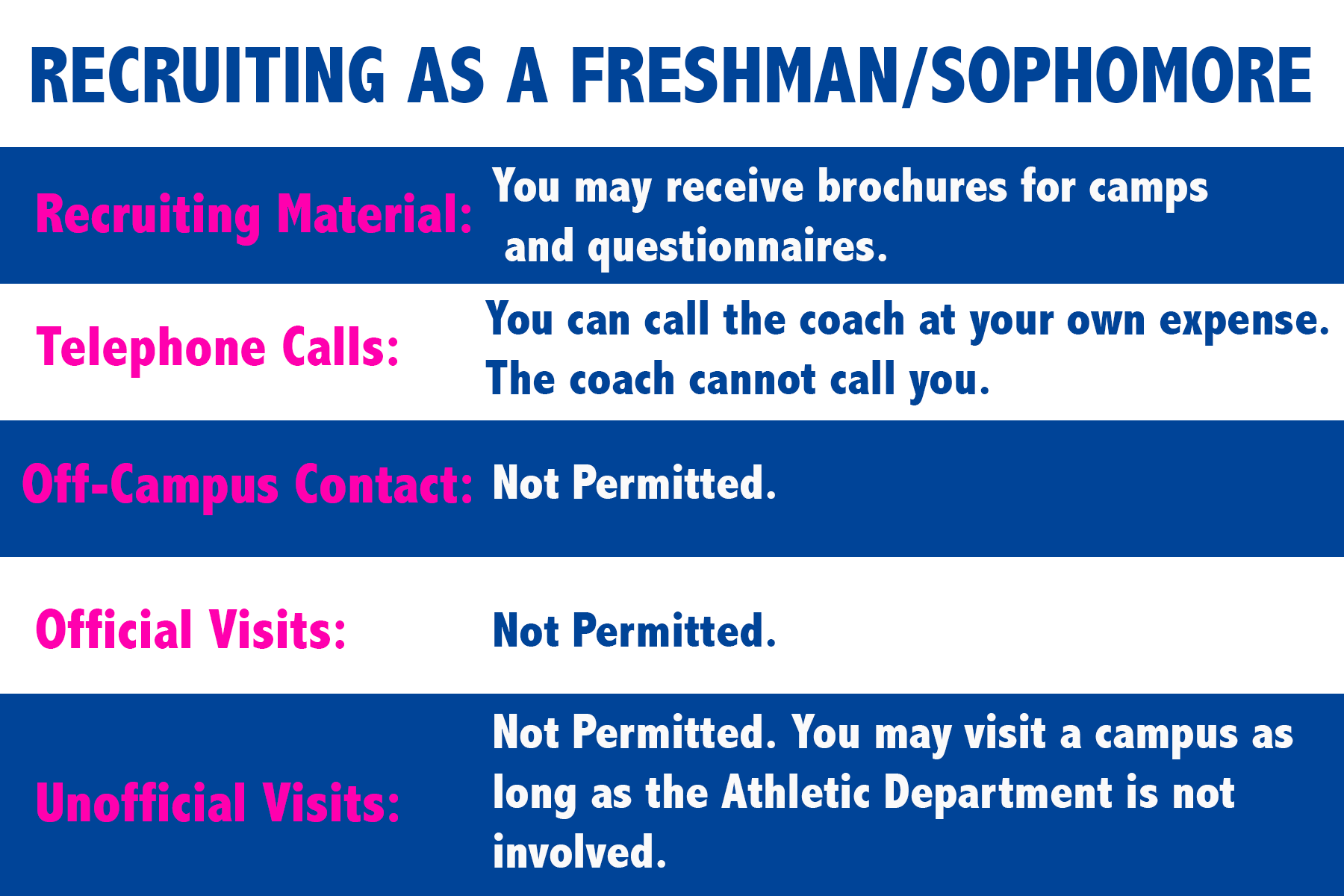
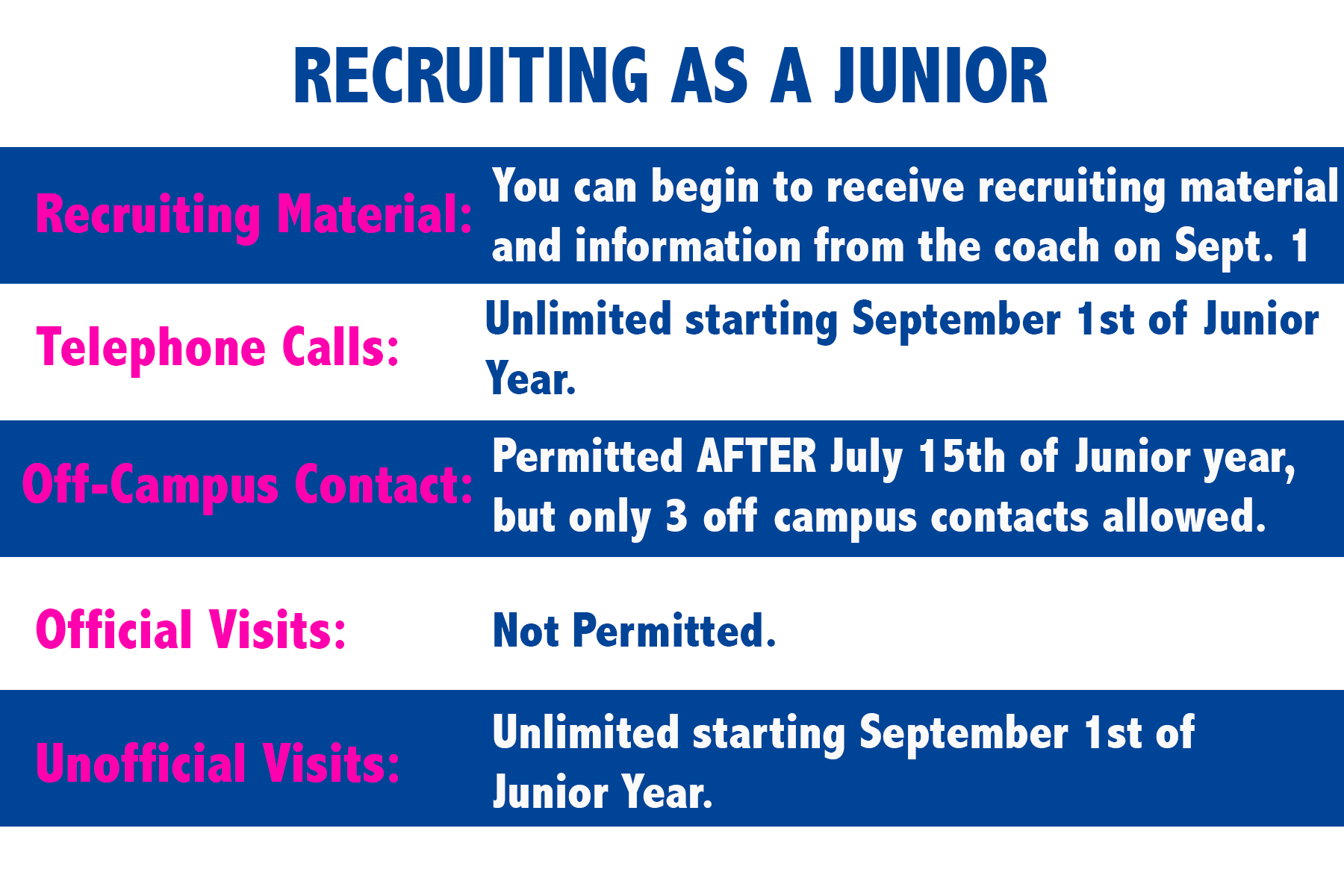
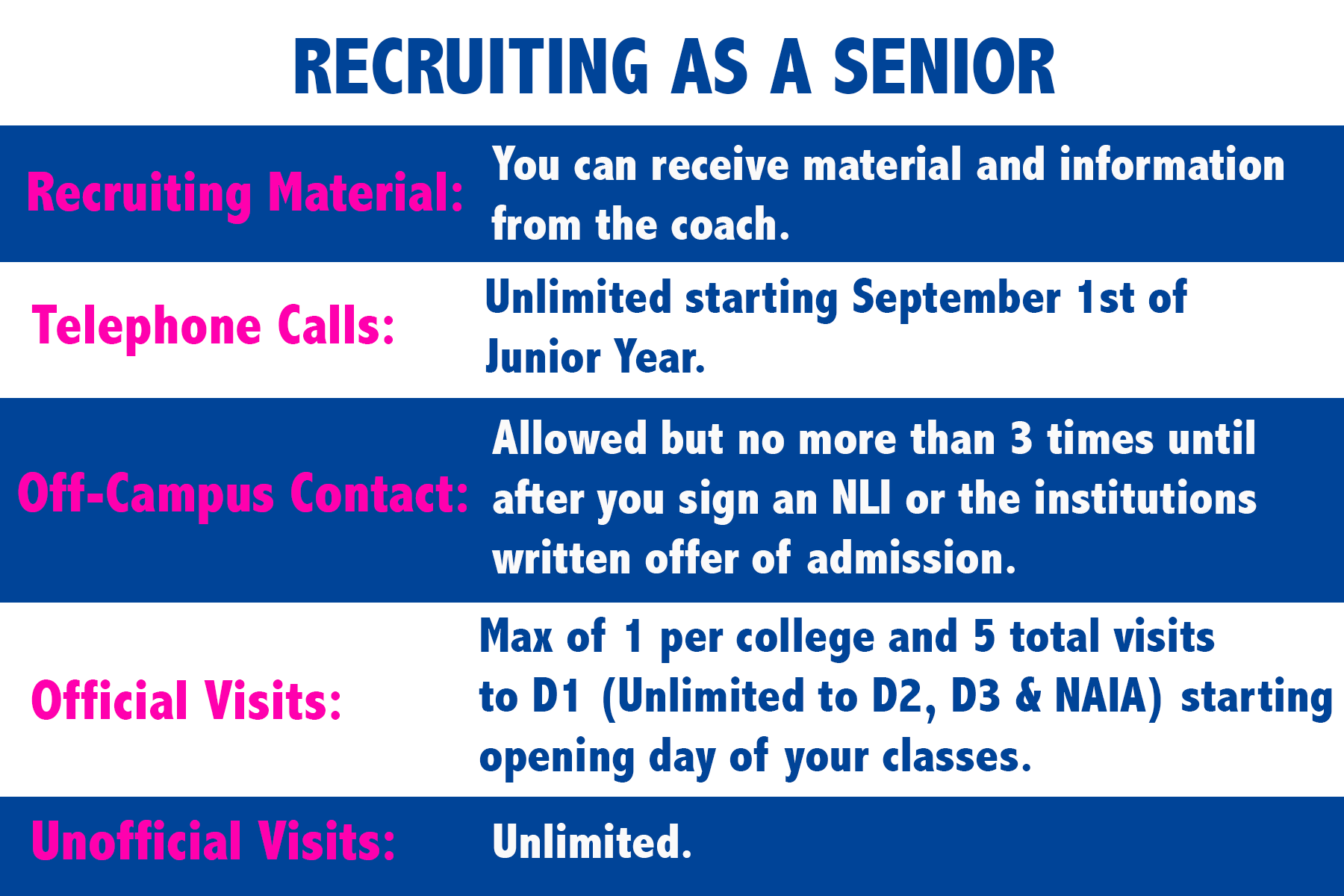
Source: NCAA Women’s Gymnastics | Recruiting
Last year a gymnastics colleague from Germany told me he was getting married to his long time girlfriend. I was so happy for them!
Then he asked me if I would preside over the ceremony.
I could not have been more honored.
I became a Justice of the Peace in my state 7 years ago. A gymnast who I had coached 20 years ago in a different state walked into my gym to tell me that she was engaged. I was delighted to see her and so excited for her news. This was a women who I had only coached for a few years when I was very much a rookie coach. During her Junior year of high school her father passed away suddenly. It was hard on everyone.
We headed out to get a coffee and catch up. During our coffee she asked me if I would walk her down the aisle. I was shocked. I never knew I had made such an impact. Although I was honored I felt that it should be her brother or a closer friend who should walk her down. I told her that I would become a Justice of the Peace and perform the ceremony.
It was a beautiful ceremony in a park and they were both surrounded and supported by their children from previous marriages. Since then I have presided over weddings of 2 of my employees, my neighbors, a few sets of friends and this weekend a colleague from Germany.
#IamUSAGymnastics
Wendy Bruce Martin & Dennis (Trucky) Martin
Last week I was speaking with my “gym sister” Wendy Bruce-Martin. We both are proud of the work that we do in gymnastics and in the community. We were relating stories of some of the great things we have heard over the summer. Coaches and club owners going out of their way to help families in need. Gymnastics professionals rallying around a coach who was stuck with sudden illness. Coaches going into the “rival” clubs gym to help out when their “rival” had a death in the family. We all know great stories like these.
Wendy had the brilliant idea that we should start a hashtag showing positive things that we do in our communities, in our gyms, at camps etc and be proud that we are part of USA Gymnastics.
#IamUSAGymnastics
#WeareUSAGymnastics
I posted a couple of tweets last week and a few photos on Instagram using these hashtags. I believe this is something we all can get behind. Let’s carry this through Championships and National Congress.
We each see things we are proud of. We each do things that is WAY MORE than just teaching gymnastics. It is time to tell the world!
| NAME | STATUS | FORMER | NEW |
| Harpa OSKARSDOTTIR | WAG Judge | ISL | SWE |
| Svitlana ZHUHAREVA | RG Judge | ISR | UKR |
| Joline STEINHOFF | RG Gymnast | FRA | DEN |
| Bram LOUWIJE | MAG Gymnast | BEL | NED |
| Tatyana VOLOZHANINA | RG Gymnast | RUS | BUL |
Source: Fédération Internationale de Gymnastique – View FigNews
My gyms have steadily grown and I’ve been fortunate to have had little turnover with my staff. I have coaches who have been with me for 20+ years and coaches who were former athletes here who after college came back to coach. That being said, you still need to reach out and hire coaches from outside to keep you fresh.
I’ve interviewed a few hundred people in the last 20+ years in business. Some were college students looking to teach a few hours a week. Some were coaches with many years experience looking for a change.
In general I am never looking for a certain position to fill. I am looking for a certain personality. I really believe that the gym is just an extension of my family and I am looking for someone that is a compliment to the talent I already have.
Hiring the best talent is a massive and never-ending challenge. It was hard to hire our first employee, it’s hard to hire our 50th employee, and it’s still going to be hard when we hire our 100th employee.
While every company has a different culture, there are few questions that I like to ask to help me identify if a candidate is a good fit.
There is no such thing as batting a thousand with hiring. You’re going to make mistakes no matter how good you are at it. That said, in my personal experience I’ve found these questions to be hugely helpful in determining culture fit.
1. How did the culture at your last job empower or disempower you?
This is a really interesting question, because it will get candidates talking about their previous gym through the lens of how they were affected by my gym’s culture. Getting candidates to talk about their past employer can be very telling. Do they openly throw the gym under the bus? Do they recognize the positives even though it ultimately didn’t work out?
Asking specifically about the culture of their last gym also tells you a lot about how they view the importance of culture. Their response will tell you if they’ve thought a lot about “company culture” or if they don’t really know what it is. The question will also reveal how they think they are empowered or disempowered, which will give you a look into their motivations.
2. What were the characteristics of the best boss or teacher you’ve ever had?
I like this question as a follow-up to the culture question, because it’s somewhat similar but from a different angle. If you didn’t get a sense for a candidate’s view on culture and what motivates him or her, you likely will from this question.
Did the candidate thrive under a boss who was extremely direct and valued performance above all else? Did he or she thrive under a boss that put as much emphasis on communication and interpersonal skills as results within the role? Did they have a teacher who made a lasting impact on their lives? Those who did will most likely want to pass on that message to the children they coach.
3. Describe how you handled a conflict with one of your co-workers or a parent in the last gym?
It’s always helpful to ask candidates about how they dealt with a conflict. As people, we tend to be more open and honest when recalling a specific event versus describing characteristics about ourselves. Understanding what the candidate perceives as a “conflict with a co-worker” will likely reveal information about the person’s level of self-awareness.
Understanding how someone dealt with a conflict will also give you insights into what he or she perceives as a reasonable and positive response to a conflict. No matter how wonderful your culture is, conflicts will arise. How your coaches and front desk people deal with conflicts is the true test of YOUR culture.
4. What kind of feedback do you expect to receive in this role and how often do you expect to receive it?
Understanding a candidate’s desire or hesitation to receive feedback tells you a lot about the person’s expectations. The frequency and type of feedback that is shared within a gym tends to be highly correlated to culture.
Does the candidate expect feedback to be tied to core values? Does the person think feedback is only about performance in the role? Does he or she see feedback as a once-a-year formality or as part of a constant process of growth and improvement?
At Atlantic Gymnastics, we value feedback and continuing education. You cannot have one without the other. I get a feeling I will be writing more about feedback in an upcoming article.
The previous questions I may not ask everyone. I do have some prospective employees who are still in school and have little experience in which to answer those question. I do ask everyone the next 2 questions. It helps me get to know them and their thought process as well as set the tone for their possible employment.
5. What will you do to make those around you better?
At time I have to explain that I mean their coworkers but I need them to realize that we are a TEAM. We must not just do our job, we must help others do their job. I expect to get a variety of answers depending on their age and experience. The other day a relatively young (college student) candidate said, “I am really a happy and energetic person. With me in the gym I think I will bring everyone UP. I will keep the energy high. You can’t really teach gymnastics in a low energy environment, can you?”
6. How do you take your coffee?
Drinking coffee is not a prerequisite for the job but everyone has a reason for how they take their coffee or why they don’t drink coffee. This has started some great conversations and helped me get to know a prospective employee.
A constant word of caution- if you are in a position to hire it is your duty to also do your research. Call previous employees, call other coaches in their area who may know them.
NO, I do not mean tumbling on horse hair mats of doing bar beats. Nor do I mean coaching through intimidation and punishment.
and I certainly do not mean this.
My mother was involved in gymnastics as a coach, judge and administrator while I was growing up. We always had gymnasts, coaches and judges hanging out at our house.
I remember walking through the living room as coaches from around the state were hanging out exchanging war stories, problem solving and discussing the latest in technique. I remember waking up in the morning to head to practice myself and seeing that many of the coaches had stayed the night. The were occupying nearly every square inch of floor and all of the furniture. I asked my mom why they were all staying at our house and she explained that they were gymnastics coaches and that they didn’t have a lot of money. They were in town for a conference and Mom had offered everyone a place to stay at our house so they could save money.
This was one of the moments in my life when I realized the importance of education and self improvement. Here were a group of adults sleeping in uncomfortable places all for the opportunity to improve their gymnastics knowledge.
I believe in gymnastics education in its purest form. No one spoon feeding you. There was discussion and arguments. There was evaluation and planning. There was learning. I remember when someone showed up with DON TONRY’S book on illustrated gymnastics.
All these coaches gathered around the table looking at the illustrations. This was the “youtube” of the day.
As I started my own gymnastics professional educational journey I remember pouring through that book until it nearly fell apart in my hands. I went through Bill Sands book on coaching and Gerry George’s book on biomechanics.
Being from New York we had the Empire State Games, an olympic festival, held in Syracuse. I remember one year about 8 other coaches and I crashing on the floor of Pinky Stone’s house. We stayed up almost all night talking technique going over problems some of our athletes had that day and how to correct them in event finals.
I have been lucky that I have been able to make a good living through my gymnastics clubs, through Gym Momentum and doing numerous clinics and workshops through out the year. I love teaching. I have stayed at some very nice hotels and resorts and have enough frequent flyer miles where I often get a free upgrade. I have also driven 6 hours in a car full of coaches who just finished practice and let’s just say- we didn’t smell all that great getting in the car and 6 hours packed close together did not improve the smell. A week ago I was up in Calgary working Jeremy Mosier’s NO LIMITS Camp. His daughter was at his ex-wife’s so I got to sleep in her room.
Yes, I got to sleep in a Princess Bed Loft. What more could I ask for? I had a bed to sleep in, coffee in the morning and a few great coaches to share stories and technique with all night long. (Jeremy Mosier, Cliff Parks, Gary Issac, Stephen David, Wendy Bruce-Martin and Daniella Silivas).
This last weekend at Gym Momentum Camp I was able to put all the coaches up at a hotel. Which seemed kind of pointless as I am pretty sure some of them didn’t sleep. Again- late nights going over technique and things we wanted to accomplish the next day. (Maddie Retrosi, Jody Nichols, Carly Meyer, Jamie Donkin, Embla Johannisdottir, Hildur Olafsdottir, Wendy Bruce-Martin, Cara Gonzeles, Christian Gallardo, Jeremy Mosier, Brian Pickard, Vasko Vetzev, Brian Kormann, Chris Lakeman and me!)
You may not be getting rich coaching gymnastics but you enrich your life and the lives around you through continuing your education. Gymnastics has a price, but education is priceless.
I look forward to more sleepless nights arguing and defending technique. Evaluating the past workout or season and planning for the next. The answers are out there (and probably not on youtube).
Tony
PS- Cara, I am going to teach that kid an Arabian double just to spite you.
This was originally published by me for the US Elite Coaches Association. Given current recommendations I thought it would be timely to repost.
At the highpoint of the USA Gymnastics crisis I read many editorials and social media posts calling for change. There are multiple ways you can manage an organization to make sure that the right decisions get made when change is in order. One way is to be rules-based and the other is culture-based. You might also choose an option somewhere in between.
Rules-based organizations are those that try to plan for pre-determined scenarios by creating processes and procedures. A great example of a rules-based organization is McDonalds. Every situation you can think of has been documented and scripted, from how to cook French fries and burgers, to how to clean the bathrooms and repair the HVAC unit. This approach works well in organizations that have a lot of structure and a defined hierarchy where everyone knows their role down to a tee. If a customer makes a complaint, for example, the process begins with an assistant manager and then gets pushed up the ladder to the manager, the district manager and on up the chain as needed.
On the flip side is what you might call a culture-based organization, where it is the cultural values of the organization that drive actions and decisions rather than rules. As an example, consider a YMCA or Church based group.
They are both global organizations that gives autonomy to each individual mission or center throughout the world. Unlike a McDonalds franchise, which follows the same set of rules as every other franchise, YMCA’s and churches rely on their strong cultural values to make decisions.
While this might seem like it borders on anarchy to some, it’s actually quite effective because the organization’s values and culture are so powerful that they force everyone to be accountable to them.
As USAG looks to replace it’s CEO/President we need to find someone whose long-term goals are compatible with that of the base.
When it comes to USA Gymnastics, what kind of system would you prefer? A Rules based organization or a Culture based? How about with your club?
I think a hybrid solution that combines the best of a rules-based and culture-based system like we see in the U.S. military. The military, as we know, is very hierarchical and rules-based to the point where no one jumps ranks or disobeys orders at the risk of being severely punished. And yet, when it comes time for a unit to enter combat, the military’s system allows for much more creativity and decentralized decision making once shots are fired.
Should it be all about rules or all about culture, or possible somewhere in between?
In the gymnastics community there are some things which need to happen for us to have REAL change.
• Leading by doing: Our best clubs, coaches and administrators must lead by example.
• Engaging all levels: Driving change too much from the top can actually be counterproductive. For change to occur all levels of the gymnastics community must be involved.
• Showing, not saying: Everyone needs to know what the new behaviors will look and feel like, so they can be brought to life for everyone. In essence, the desired behaviors must be embedded into every aspect of the organization, so they will eventually become hardwired into what gymnastics professionals do and how they act.
UPDATED (on an airplane on my way back from Calgary. Sorry for any typos)
My goal for gymnastics is to leave a legacy- not just a financial legacy for my children and possibly in the form of scholarships but a more lasting legacy might be a cultural legacy.
When my children were younger and we went camping often our motto was to leave the site better than we found it. Picking up the trash left by others. I want to do the same thing for our sport. When it is time to sell my clubs and move on to retirement I want the sport to be better than I found it. A sport known for excellence and safety. Something we can all be proud of.
My gyms are successful but I certainly am not a business genius. My success comes from being a principled person and surrounding myself with smart people, principled people and staying loyal to them. In return I earn their loyalty.
I judge my success not in how many gymnasts made nationals or won states but by how many graduations and weddings I get invited to. There is nothing more important to me and my organization than having happy well adjusted athletes. AND FOR THE RECORD- WE WON STATES AT A NUMBER OF LEVELS AND HAVE CONSISTANTLY QUALIFIES ATHLETES TO JO NATIONALS. It is possible.
For the long-term viability of the sport you need a viable corporate culture. It, too, had to be long-term. We need to cultivate good people and kept them. From these modest principles we can grow an empire.
Tony’s Rules for creating the right culture.
1. Hire the right people
Hire for passion and commitment first, experience second, and credentials third. There is no shortage of impressive CVs out there, but you should try to find people who are interested in the same things you are. I have always tried to hire people that share our philosophy. I can teach the the rest. I don’t want to be simply a stepping stone on a coaches journey. Asking the right questions is key: What do you love about coaching? What inspires you? What are you going to do that makes those around you better?
2. Communicate
Once you have the right people, you need to sit down regularly with them and discuss what is going well and what isn’t. It’s critical to take note of our victories, but it’s just as important to analyze where we messed up. We need a culture that recognizes when things don’t work and make adjustments to fix them to.
Listening is probably more important than talking. Great cultures grow around people who listen. It’s also important to listen to what’s happening outside the sport. What developments, trends, and calamities are going on?
3. Tend to the weeds
It is easier to plow a garden under than to plant and tend to it. USA Gymnastics has to be passionate about growth and we cannot grow with out pulling some weeds. One of the most destructive weeds in a gym is the whiner. Whiners aren’t necessarily public with their complaints. They don’t stand up in meetings and articulate everything they think is wrong with the gym. Instead, they move through the organization, speaking privately, sowing doubt, strangling passion. Constructive criticism is healthy, but relentless complaining is toxic. One of my rules for my business and my team is “Do not come to me with a problem without a potential solution”.
4. Work hard, play hard
It’s easy to do what you love. In the gym we can measure who has a superior work ethic, who is getting the most turns. Not many gyms these days thrive on a forty-hour work week. A culture where everyone understands that long hours are sometimes required will work if this sacrifice is recognized and rewarded.
5. Be ambitious
“Make no little plans: they have no magic to stir men’s blood.” These words were uttered by Daniel Burnham, the Chicago architect whose vision recreated the city after the great fire of 1871. The result of his ambition is an extraordinary American city that still has the magic to stir men’s blood. Ambition is sometimes seen as a negative these days, but without it we would stagnate. We need a culture that supports big steps and powerful beliefs. Cities are the most visible examples of successful and failed cultures. Bilbao and Barcelona did so and became the envy of the world and prime tourist destinations. Pittsburgh reinvented itself when the steel industry withered. But Detroit wasn’t able to do the same when the auto industry took a dive.
6. Celebrate differences
When choosing gymnasts for out team program, we consider more than just their strength and flexibility. If you had a dozen strong and flexible gymnasts who were from the same socio-economic background you might not get much in the way of interesting skills or routines. Great cultures are built on a diversity of background, experience, and interests. These differences generate energy, which is critical to any enterprise.
7. Create the space
Years ago, scientists working in laboratories were often in underground bunkers and rarely saw their colleagues; secrecy was prized. Now innovation is prized. When we first started using the Ranch it was barely inhabitable. Now the gym and motels are much better. I am not trying to incite debate as to whether we need to stay at the Ranch (I do not have any inside information) but MAYBE it is time we build something we can all be proud of. A state of the art facility for all disciplines, A brick and mortar gymnastics university. Where we can innovate. Where we can share knowledge. In cutting-edge research and academic buildings, architects try to promote as much interaction as possible. Design a space that encourages interaction between the disciplines.
8. Take the long view
What is success? I think some of our recent issues occurred because we sacrificed long term stability for short term wins. The Women’s Developmental Camps and TOPS are focused on long term success. If our culture is dependent on this quarter’s earnings or World Championships in October, then it is handicapped by short-term thinking. We tend to overestimate what we can do in a year, but underestimate what we can do in five years. The culture needs to look ahead, not just in months but in years and even decades.
It has been about a year that USA Gymnastics has been embroiled in crisis and controversy. The problems have roots which reach back decades. The question is, Where do we go from here?
While vacationing in the Caribbean in 1967, Dr. Martin Luther King wrote the first draft of his final book Where Do We Go from Here: Chaos or Community?
hmmmm… Chaos or Community? There are still a great many people who want to burn down USA Gymnastics. It is always easier to destroy than to create BUT USA Gymnastics is about creating. I am not ignoring the issues. I want to face them dead on. If gymnastics is our garden, we want it to grow and flourish- we do need to weed some things out. We need to continue to plant the seeds of success and tend to it on a regular basis.
To those who are screaming for the dismantling of USA Gymnastics- What do you want to replace it with? There are SO many great things going on. The Trampoline and Tumbling Program have increased their numbers nation wide and are involved in areas in the country where they never have before. The Men’s program continues to move forward and the Women’s program looks like it will continue to dominate. Junior Olympic Nationals in all disciples were successful and I was impressed by the level of difficulty. (My sincere apologies to Acro, Rhythmic and Gymnastics for All. I do not have any information on those disciplines).
Any organization will need to make adjustments. USA Gymnastics needs strong individuals to be part of a team. Those who can stand in the face of criticism and work for solutions. Not everyone is going to be pleased with the solutions. That is how business is done.
In my lecture on ETHICS given at the USAG Idaho state clinic I asked everyone who their hero was. We all need heroes. People we want to emulate. It could be anyone, fictional, real, living or dead. I said my fictional hero was Jeb Bartlet. Martin Sheen’s character in the TV show “The West Wing”. He was a person with a strong moral compass faced with many difficult questions. A strong and charismatic leader who took advice from those around him before he made decisions. One of my favorite quotes is:
We don’t need martyrs right now. We need heroes. A hero would die for his country, but he’d much rather live for it.

Moving forwards let’s focus on the Gymnastics Community. Here are some things that need to happen. Many of these are already in the works!
ADMIT THE PROBLEM
For many businesses, the hardest struggle was figuring out when it was time to retool. This became clear with all the allegations surrounding gymnastics this last year. USAG needs to now focus on building morale and our brand. Make gymnastics the leading NGB with coaches education and athlete safety.
Gymnastics is a tough business, and no club has perfectly figured out the best way to appease customers while actually netting real income. I feel as soon as I figure something out in my clubs- the needs of the customer changes. Gymnastics is a dynamic sport. Otherwise we would still be tumbling on horse hair mats and vaulting over a side horse. You are either getting better or getting worse. There is no such thing as staying the same. We need to stay flexible and continue to move forward.
COMMUNICATE AS MUCH AS YOU CAN
We are in a 24/7 news world. If USA Gymnastics isn’t putting out information on a steady basis- the market will fill the vacuum with less than flattering “news”. While I have been writing this I have seen 2 or 3 tweets from USAG. Great Job to whomever is doing this!
I envisioned the communication strategy as a way to keep everyone in the gymnastics community engaged and invested in the sport. We need to figure out a way to not just distract people but to continue to be honest and authentic, you don’t want to tell untruth or “alternative facts”. There are so many great things happening in our sport every day. Everyone needs to know these.
There will always be predators out there. This is not just a “gymnastics thing”. Look at other national sports in North America or even in the church. When someone crosses the line, there needs to be communications to the community with the facts.
STRATEGIZE BEFORE
Even more important is being prepared for these kinds of moments. We should develop scenarios so that we are prepared for crises before they happen.
No CEO/president wants to think about the hard times. So it’s hard to create a plan that hinges on things going poorly. This, however, is the new reality .
PREPARE FOR WHAT COMES AFTER
Chaos or Community? Perhaps most jarring is the fact that after a crisis hits, business doesn’t abruptly end. There is still business to be done. Indeed, if the CEO/president is settling lawsuits or even perhaps filing for bankruptcy the show must go on. Tying up loose ends like insurance and debts takes time, and this all happens after already dealing with the trauma of what has happened.This is one of the biggest lessons to learn–being ready for what comes after the fallout.
There’s no map for how to operate when in the midst of gargantuan changes, yet there are tools and strategies that can help a leader conceptualize the challenge and move forward. And the scars may feel exposed, but they do help steer and educate future endeavors.
In order to do what is right, one must know what is right.
I believe that nearly everyone knows the difference between right and wrong.
DO WHAT IS RIGHT.
You do not need a lawyer to tell you your moral absolutes. A strong and unbending moral will, while commendable, is not enough to ensure a moral life. Equally important is moral intelligence. History testifies that blind, misguided will and conviction can cause incalculable damage (the Crusades, the Inquisition, Naziism, Islamic Extremists. And unless we avoid it extremism in the USA). We need to stop being surprised when someone does and the right thing and start expecting it.
When ever I hear someone giving a monologue on their ethical behavior- you can be pretty sure they know what they did was wrong