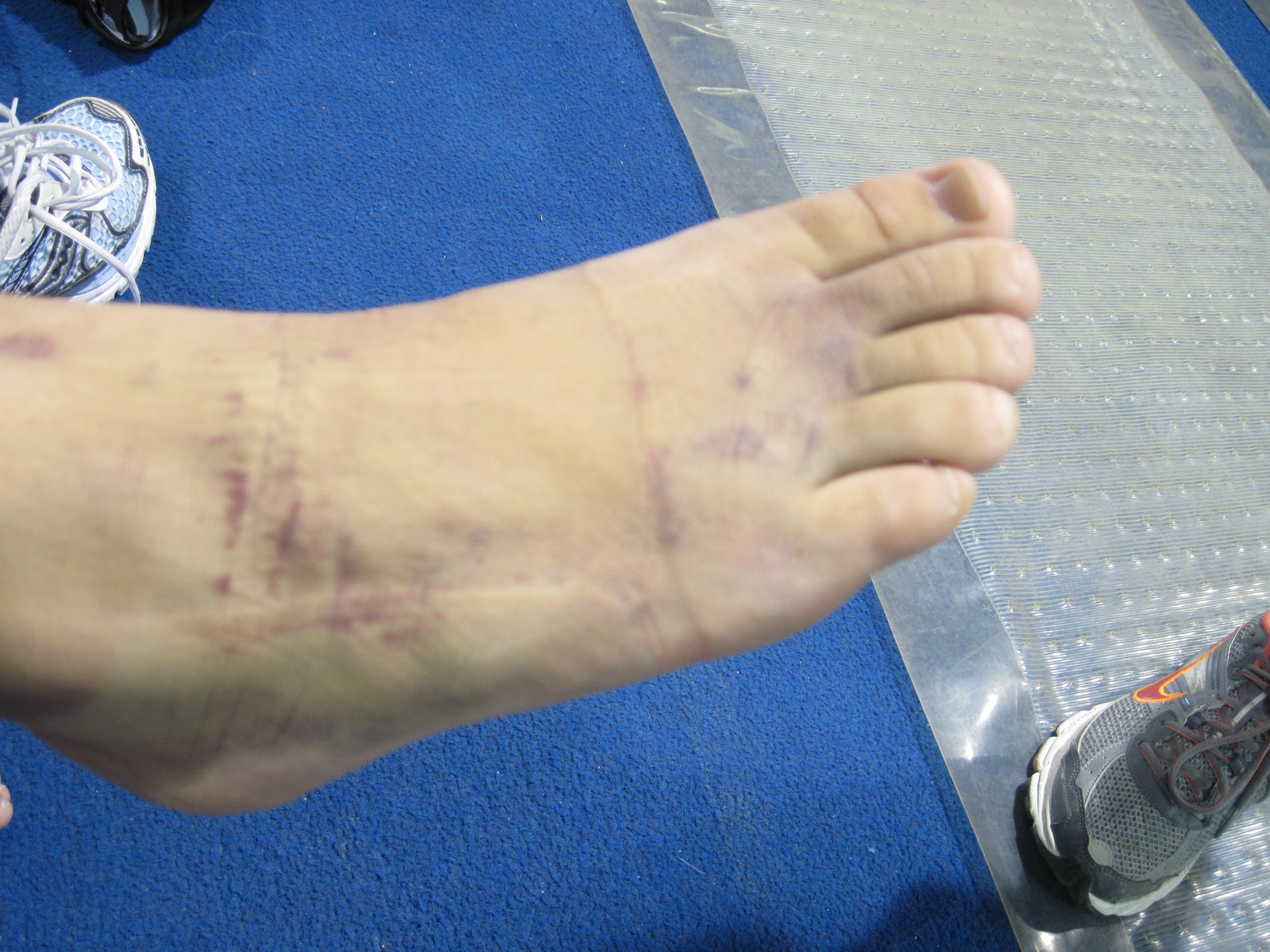
THANKS TO JEFF GRABA FROM AUBURN UNIVERSITY FOR LETTING ME POST THESE.
These are all up on his Facebook Page
THANKS TO JEFF GRABA FROM AUBURN UNIVERSITY FOR LETTING ME POST THESE.
These are all up on his Facebook Page
“The Issue Of Ethics”
Dr. Joe Massimo & Dr. Sue Massimo
Excerpt from Psychology and Gymnastics by Drs. Joe and Sue Massimo.
In today’s climate of politically correct responses, it is clear that ethics is a concept that is well known and discussed in considerable detail. Many professions have a strict and fairly well monitored code of ethics (lawyers, medical doctors, psychologists, etc.). Many of these directives were a direct consequence of years of planning and deliberation on the issue. Coaching sports as a profession should be no different and coaching young athletes should definitely have a strict code of ethics.
If we look in the past to an issue of “Olympic Coach” published by the U.S. Olympic Committee Division of Coaching Development, an article appeared that dealt with ethics in coaching. A challenge in sport was offered during a presentation at the USOC Coaching Symposium. In this presentation, it was stressed that the coach’s highest priority should be in establishing relationships with athletes that help them develop in positive ways. The most important first step, in this regard, would be the development of a set of principles that would address expectations in the coach-athlete interactions—a code of conduct. In fact, that is the direction that USA Gymnastics took and this organization has made great progress in developing a Code of Ethics to better serve those who participate in gymnastics.
There are many obvious obstacles and resistances that interfere with the development and subsequent adoption of a code of ethics and behavior. One basic difficulty is that not many coaches like to talk about the subject. It is not just that they see it as an infringement on their autonomy and right to manage their own functioning, but also because some of the content is sensitive. Issues that present clear ethical dilemmas are touchy subjects for many coaches. They would prefer to deny the existence of such problems, even knowing that they are out there.
A major contradiction concerning a code of ethics is that sport is often seen through a different set of moral lenses than those used in the rest of our lives. For example, in years past some of us have seen gymnastic coaches treat their athletes in ways that, outside of the training setting, would be grounds for dismissal if not a civil or criminal lawsuit. What to some is acceptable in the gym might not be outside of that setting. Does this mean the behavior in the training setting is above the law in terms of what is right and ethical? Many more athletes participating in sport today are sensitive to the issues of abusive, demeaning, humiliating, or degrading actions of their coaches. A larger than hoped for number of coaches uses the gym as a place to work out their own personal problems around authority and control. These personalized agendas usually involving themes of domination are used to abuse the power the coach has by virtue of their positions and role. A loss of objectivity can often occur and contribute directly to emotional damage in a young gymnast who sometimes holds the coach as a special person and even god-like figure. A code of conduct goes a long way in illuminating what can be expected and accepted by everyone.
Since many coach’s livelihoods depend on production and performance of their athletes, it is understandable that they might tend, to some degree, to take advantage of their student’s time and physical well-being. Safety has always been stressed in gymnastics, but we are all aware of the fact that far too many coaches go for the big “tricks” prematurely, without preparation, in order to produce a winning team. A code of ethics also addresses the issue of over-emphasis on winning to the long range detriment of the gymnast. When it is a question of keeping your job, some resistance to looking at this question is to be expected. Again, however, is that an ethical point of view?
Seven basic attributes have been identified that athletes between the ages of 12 and 20 look for in their coaches. It is suggested that priority by the coach should be in developing positive and helpful relationships with their athletes. Our own research over the years with competitive gymnasts here and abroad has revealed similar findings. These attributes will be discussed in this paper from the perspective of the sport of gymnastics.
Coaching Attributes
Adopting a “Personal” Code of Conduct
In summary, although progress has been made by several sport federations to develop a strict code of ethics, many do not involve the type of desired characteristics nor coach-athlete relationship issues just reviewed. The code of ethics for gymnastics addresses issues such as motivational or training methods which may be considered abusive, has established guidelines for all registered coaches and gymnastics facilities, and continues to monitor and update their ethical code. However, based on the previous seven attributes of competence, approachability, fairness, confidence, motivation, personal concern, and support perhaps we, in the gymnastic community, should strive towards adopting these additional desired characteristics as our own “personal” code of conduct. Refer to “Abuses of Anger in the Gym,” “Male Coach-Female Gymnast,” as well as “I Have a Problem with My Coach” found in Psychology and Gymnastics for a more in-depth look at this important issue.
Works Cited
Massimo, J. & Massimo, S., (2012). “Abuses of Anger in the Gym,” in Psychology and Gymnastics, NY, NY: Morgan James.
Massimo, J. & Massimo, S., (2012). “Male Coach-Female Gymnast,” in Psychology and Gymnastics, NY, NY: Morgan James.
Massimo, J. &. Massimo, S., (2012). Psychology and Gymnastics. NY, NY: Morgan James.
Nielsen, W., (1994). “Ethics,” in Olympic Coach: U.S. Olympic Committee Division of Coaching Development, Winter 1994, Volume 4, Number 1.
USA Gymnastics Code of Ethics. October, 2011. http://usagym.org/pages/aboutus/pages/code_of_ethics.html
Like any coach I HATE to see any gymnast get hurt.
Unfortunately Injuries are a reality in any sport and it is not a matter of IF a gymnast is going to get hurt, it is a matter of WHEN. Knowing that every gymnast is going to experience some kind of injury that will prevent her from optimal performance in practice or competition should encourage us (as gymnastics professionals) to have a plan. I have told the athletes I work with, There are only 2 guarantees in gymnastics:
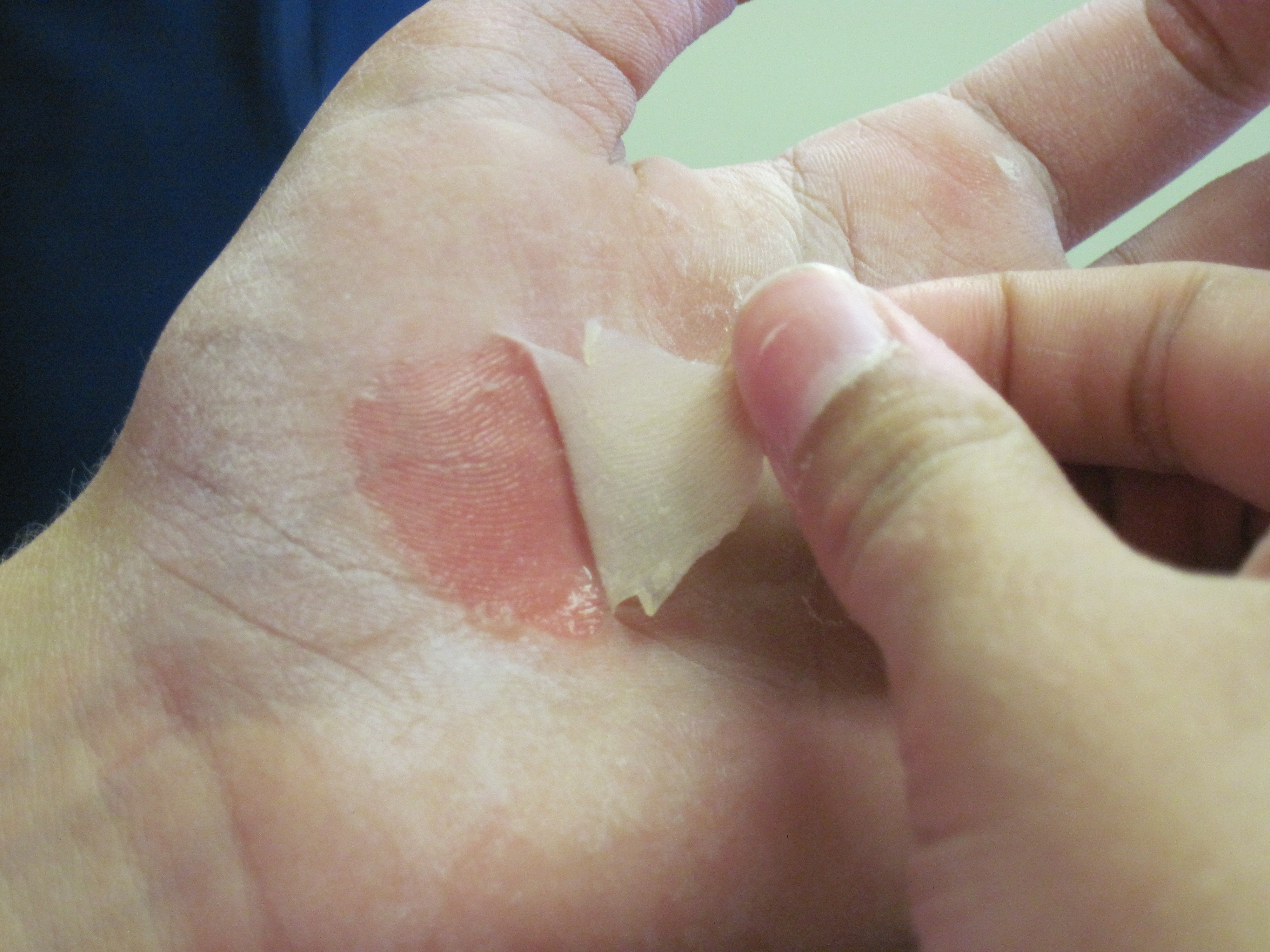 Injuries can range from as small as a rip to the obvious fractures and torn ligaments and ruptured tendons. Each athlete will deal with their injury differently. Some have a very high tolerance for pain while others have a relatively low threshold. I have had gymnasts who when they ripped you would have thought that someone had taken a blow torch to their hand and other gymnasts who continued to work out on what we discovered was a broken bone in her ankle.
HOW ARE YOU GOING TO REACT TO AN INJURY?
A coaches attitude towards an injury is so important. You want the gymnast to be able to tell you if something hurts BUT they should also tell you how much they think they can do.
“My ankle really hurts, I think I am only going to be able to do Vault OR Floor. Which should I do?”
If a coach over reacts to an injury then the gymnast will as well. I have seen coaches under reacts to an injury, the gymnast may learn NOT to tell the coach when they are hurt or feel that the coach doesn’t care. It certainly is a fine line.
RETURNING TO THE GYM
Following an injury we all want the gymnasts to return to practice and be part of the group. It is good for their psychological state, it keeps the desire to return high. We can all think of an athlete who did not return from a relatively minor injury because of too much time off and they felt that the group moved on with out them.
I like to see the girls back at their normal practice schedule even if hours are reduced. Speaking to an athlete on their return is a crucial part of their rehab. What is the plan? Because of the nature of women’s gymnastics leg injuries are the most prevalent as well as the most limiting in the gym. If an athlete hurts her leg, This is an opportunity for them to really make improvements on bars. They can learn to be more subtle with their arm movements on dance. I have had a great deal of success with gymnasts practicing “mental choreography” for leg events that they can not do (I will write more in this later).
If she has injured her arm, there really is a lot they can do in the gym. Tramp will become their new best friend! There are literally thousands of drills and skills that kids can do on tramp for every event. (Who knows maybe that will be the topic of another dvd!)
It is important that the gymnasts know that EVERYTHING WILL BE OK. This is a set back, but it is also a time to let other things heal. This is also an opportunity to make improvements in other areas.
Your relationship with the medical community is another aspect often overlooked. Face it, there are some out there who HATE gymnastics.They think gymnastics is a form of abuse. My daughter had a Dr who was a hater. Can you imagine the arguments we had? We are talking serious fireworks in the office. Needless to say- he is no longer her Dr. I will save my tirade against those closed mined individuals for another time. Find a set of DRs who understand sports and children. The fact that gymnastics is a big part of their life and that taking it away can be crushing. Invite them in to your gym. (give their kid a free trial class!). Show them what you do and that you really care about the children. If they know you and your concern for safety and the individual recovery they are more likely to let a gymnast return to limited gymnastics sooner. I actually had a DR put a kid in a cast for a fairly minor sprain because he knew this particular athlete WOULD NOT stay off it. This was a great thing and the DR called me up and told me why.
Find a great Physical Therapist in the area. Invite them in.
Every time an athlete goes to see a DR or a PT they are usually given exercises for their particular injury. Start a big 3 ring binder and divide into body parts. Make a copy of the exercises and keep them in the book.
Have some pre-designed work outs for athletes with limitation. Sort of a “Help my ankle hurts Vault work out” Or Bars, Beam, Floor. This will save you a lot of time and aggravation as you work with your healthy athletes.
Proper nutrition is a key component to injury recovery. Here are 2 good articles.
Nutrition as a key player in injury recovery
Exercise Injuries, A diet for recovery
“The only sustainable competitive advantage is the ability to learn faster than your competitors”~Arie de Geus~, Submitted by Daniel Kelly.
“Boldness is a mask for fear, however great” John Dryden, quoted in the Denver Post
“The world is a dangerous place. Not because of the people who are evil, but because of the people who don’t do anything about it.” Albert Einstein
“There is no such thing as bad weather, only inappropriate clothing.” Explorer Sir Ranulph Fiennes
“Anyone can do any amount of work, provided it isn’t the work he is supposed to be doing at that moment.” Humorist Robert Benchley
“Young people need models, not critics.” John Wooden
“Leadership , like coaching, is fighting for the hearts and souls of men and getting them to believe in you” Eddie Robinson, Football coach, Grambling University
“My Mama always said you’ve got to put the past behind you before you can move on.” Forrest Gump
Shared by Yin Alverez, Owner and Head Coach at Universal Gymnastics
Edward Mesa New P. Bar Routine
Danell Leyva 16.6 start value PB Routine. He added a peach half and took out the diamidov.
Let’s see your upgrades! Send them to me at tony@gymmomentum.com
Part 3 of 4 of a Beginning Trampoline Clinic given by Al Fong of GAGE at a recent Region 4 Training camp. (Fall 2011)
Thanks to contributor Owen Field from Nebraska for sharing this series of videos. You can follow his Blog at: Coach Owen Field [Read more…]
Last week in Wit and Wisdom 11/25 I quoted Novelist Cynthia Ozick:
“We often take for granted the very things that most deserve our gratitude”
I wasn’t going to post this until mid-December but as I was editing the website today, I felt that it couldn’t wait.
We all too often rush though life in and out of the gym without taking the time realize that working with kids is a real gift. I had just returned from a vacation and while going through nearly 400 e-mail messages I came across this submission. Please take the time to read and pass it on. AND TODAY, WHEN YOU GO INTO THE GYM, MAKE IT COUNT.
Submitted by Matt Brinker. You can follow his blog at BLOG OF MATT BRINKER
I want to tell you about a child named Andrea Bailes. This was not easy to write for me at all. I can’t ever remember crying like this in my life. I can hardly see the keyboard to write this through all the tears. Everything I remember just brings more and more.
 Andrea was a fourteen year old girl in the eighth grade. She would have attended Point Pleasant High School. Andrea was a gymnast, but also dabbled in soccer and volleyball. From all accounts she did those two sports very well. I never had the pleasure of watching her do other sports besides gymnastics. She was dear to my heart through gymnastics. I had the privledge of coaching this athlete for several years.
Andrea was involved in a car accident on Friday the 18th of November, 2011. The accident took her life.
Back up several years. Andrea came to SOGA and her first year she competed level four. In the beginning she was not very good and her flexibility was terrible, but she was strong and she worked her ass off. Within the span of a month or so her splits had gone from hideous to almost all the way down because she had been working on them outside the gym constantly. I remember teaching her to do her shoot through. She struggled mightily with these because of her long legs. She never gave up. She kept trying it over and over and over again until she got it. She kept a good attitude all the time and would often encourage her team mates even when she wasn’t doing well and even when the other athletes were doing the same skills better than her. She improved greatly in that first year.
Her second year at the gym brought more of the same. She was tall, thin, and inflexible but again she never gave up on the skills despite all of her struggles. Level five was better for her because she could showcase her strength much more. Throughout the entire year she was probably the best team mate in the gym. Still, constantly encouraging everybody. She always had a good attitude. She was always smiling. She always worked hard. Anytime her attitude went south it was because she was frustrated with herself because she wanted to do the skills better or do them right.
Andrea finished her second competition season at SOGA as level five state champion on Uneven Bars, but that didn’t seem to matter to her. Her team had not done as well as we had all liked at states and she was disappointed. She did what she always did. She went back into the gym and quietly worked her ass off. She would try her hardest to do every little thing she was asked to do and it rarely came easy to her. She kept trying.
This brings me to our third season together. I had already spent more than two full years with her and I saw her two, three, and sometimes four days a week. It was decided that her and her team mates would be level sixes this year. Yet again she confidently and quietly went to work at the gym. She did it with determinate smile at all times. The beginning of this season was rough for all of the level sixes. They made huge strides before meet season. Andrea struggled on beam and floor, mostly due to a lack of flexibility. She began to shine on vault and bars. She constantly pushed her team mates to do better on those two events. Because of her lack of flexibility, back walkovers were particularly troublesome for her. She tried them constantly and failed constantly but she never gave up. I remember the mighty roar that went through the gym the first time she landed one of the beam, which was probably halfway through the season, at least. This thought brings tears to my eyes now. She was so happy. But it wasn’t happiness for herself. She was happy that she might be able to help her team on beam now.
As the season progressed she kept getting better, as did her team mates. Even after landing walkovers in the gym with more consistency… I don’t believe she ever stayed on the beam at competitions. She continued to encourage her team mates with her chin up and a smile on her face even after she would fall off beam. The fire would come into her eyes the second we headed to vault and bars and she would shine. She was so aggressive and she did everything I asked her to do. She won lots of meets on vault and bars. She took her awards with a smile, knowing that she had done everything she could to help her team mates. She would then sit and watch everybody else get medals on beam, floor, and in the all around with the same smile.
When states rolled around that year the girls were ready to go. They had done well all year. They had won most meets on vault and bars, largely thanks to Andrea’s efforts. We did beam first and it was not so good for us. Andrea came off the beam yet again, but then cheered on her team mates with a great attitude and a smile. Floor next. Much better results for all the girls, but still not what we all wanted. As we made our way to vault, I saw the fire. I saw it in Andrea’s eyes and I saw it in the other girls. They were ready to go. My five little level sixes dominated vault. They were “rock stars” and they earned every tenth they got. Her score somehow did not even count for our team on vault but you couldn’t tell. They had all vaulted well and she was happy and so where the rest of the kids. I tried to refocus them for bars and they took the coaching well. They warmed up and competed like rock stars again. Andrea’s score was second highest on our team, but again… That didn’t matter to her. After we were finished I told the girls I was proud of them. They had worked their asses off all year and they had showed up well at states. When things shook out my five little level sixes took second place as a team. We were first on vault and bars as a team and Andrea took first on bars. I never heard a word about her bar title from her, but she was so proud of the second place team award.
This spring, summer, and fall Andrea continued to work her ass off like normal. We played with flipping vaults for fun and she did them well. We did giants with some consistency and she was consistently hitting casts and clear hips in handstand. She developed one of the prettiest layout flyaways I have ever seen. She finally was on an even playing field on beam and floor. No terrible walkovers to set her back. She could do a handspring and cartwheel-cartwheel. She could also show some of her power on floor and ended up getting pretty good at her level seven passes.
None of this matters though, because she did it all with a great attitude. She worked her ass off when she was in the gym and she did it with a smile. She ripped three times last week. Big, bloody rips. She peeled the skin off and went back to work. I have seen her straddle a bar and get up laughing. And yeah… I meant bar, not beam. She straddled it really hard. She jumped up smiling and laughing at herself even as the tears came to her eyes. Andrea was the first girl to encourage somebody. She was the first girl to give a team mate a kick in the butt when they weren’t doing what they were supposed to. She was the first girl to laugh at a team mate and she was also the first girl to laugh at herself, or me. She was ever the smart ass as she got into her young teenage years. Every coach, athlete, and parent loved her. Every single younger child looked up to her. They didn’t look up to her because of her tall, thin, extremely muscular frame. They did so because she was an amazing child, athlete, friend, team mate, daughter, and sister. She was everything that I hope my children turn into.
I think back on all the memories over the past few years with Andrea in the gym. She has been with me since SOGA opened. She aspired to be a coach. I’m not completely sure, but I think that it was because of me. She constantly helped out her team mates and they would listen to her almost as well as they would listen to me. She had the worst hillbilly accent at times and we all enjoyed correcting her and gently teasing her. She would always take it with a huge smile and would usually give it back to me or the other kids. Just like she did a little more than twenty-four hours before she lost her life. Andrea grew into a beautiful, confident, funny, caring, and all-around amazing young girl. Like I said before, she was always a smartass and she kept me on my toes. That made me love her even more. I rarely had to question her effort or desire, if ever. My only regret is not being able to see her outside the gym more. I know that she was a wonderful person outside of our doors as well. Everybody that knew her liked her. I will never forget Andrea Bailes as long as I live.
I had to talk with my athletes and parents today. It was extremely hard. Most of the kids already knew about Andrea and all of the parents knew. I tried to be strong for the kids. I told them all I loved them and that if they needed anything at all that I wanted them to come to me. I told them I didn’t care what it was. If they needed somebody to listen or talk to, a shoulder to cry on, or if they just needed a hug… I would do whatever it took to help guide them through this difficult situation. There were many tears shed. I told my athletes to go over to a couple mats to sit, hang out, and talk. Soon their quiet talks turned into laughter as the parents all began discussing things we could all do to help out Andrea’s family. After the kids had some time to decompress I went over to them to talk some more. I told them that Andrea embodied so many great qualities that we all had to take with us. She blessed our lives with her smile, whit, work ethic, and stubborn determination to be the best she could be. I told my gymnasts that I was going to continue on with my life and try to take those values with me. I never want to let Andrea Bailes and her attitude die in my heart and mind. I told them that I thought Andrea would want us to continue on and work our asses off to be the best we could be, just like she would. They all agreed. I left them alone and a short time after their gentle laughter turned into running, jumping, and flipping. The kids began to deal with this problem together, in the gym. Andrea would have done the exact same thing. She always did. She never missed an opportunity to play with her friends in the gym.
As I sat in the gym I kept looking around from event to event. In my head I kept seeing her doing her skills on the events. All the little mistakes, all the quirks, all the beautiful lines. The door opened and an even worse realization hit me. Not only would I never see this wonderful child do gymnastics again… I would never see her walk through those doors again. Somebody else walked through the door but all I could see was her head poke in as she sort of shuffled in towards the lockers. She had a very unique way of entering the gym and I’m not sure if anybody else has ever noticed it.
I don’t know where things will go from here. I know Andrea was a huge part of my life and the lives of all the people at SOGA. She was very dear to me in particular because of all of the qualities I have gone on and on about. It feels to me like a little sister or daughter has been taken away. I can only imagine how her family feels.
I do know that going forward I want to keep her memory alive in my heart and mind. I want to keep those qualities burning inside me. I want to be the best coach I can possibly be and I want to make these kids into the best people they can possibly be, and hopefully great gymnasts. I want to do it for Andrea Bailes. That phrase has been echoing in my head for hours and hours. For Andrea Bailes. For Andrea Bailes. She has done so much for me and for others and I can only hope to do as much for others as she has done. Only time will tell and only time will heal or lessen the pain.
I do not know how to move on in this post, in the gym, or in life right now but I do know why I am going to do things and how I am going to do things. I am going to do it to the best of my ability at all times, because that is what she did. I am going to try to be a better encourager, because that’s what she was. I am going to try to go about things with more of a quiet confidence, because that was what she did. I am going to do all of this because Andrea Bailes made me a better person and a better coach. I am going to do it for her because it what she deserved.
I will never forget you and I will always appreciate the time I was able to spend with you. Thank you for all the great memories and thank you for being such a wonderful person. You will be missed more than you ever know by me and everybody else. I love you. I only hope I can be as great a person as you were.
Part 2 of 4 of a Beginning Trampoline Clinic given by Al Fong of GAGE at a recent Region 4 Training camp. (Fall 2011)
Thanks to Contributor Owen Field from Nebraska for sharing these. Make sure you follow his blog at: Coach Owen Field [Read more…]
Books Every Coach Should have.
A few things have come up recently which got me thinking. The first thing leads into the second so bear with me. I have started working with more pre-team and compulsory gymnasts which has put me in contact with a lot more compulsory coaches through out the State and Region. The one thing I have noticed is that by and large they are an incredibly energetic group. They are so eager to learn from anyone. My question is- Are we taking the time to teach them? Are we giving them direction or are we letting them reinvent the wheel? Many people have seen my lecture, COACHES AS EDUCATORS I am in the process of turning it into a book. The bottom line is that we must continually educate ourselves and those less experienced coaches in our gyms. I know I will revisit these issues and this blog more extensively.
All education starts with a good philosophy. From both the teacher and student. To form your own philosophy you need experience. You need to be willing to make mistakes but also learn from the mistakes of others. Here are a few books where you can learn from the experience of others. Some of these books may be difficult to get but are worthwhile. This is surely an incomplete list. Please e-mail me with your recommendations- CONTACT.