I had the please of doing a couple training camps with Mike in June of 2018. I was nervous about working with him about his strength, stamina and ability to communicate with the athletes. At the NO LIMITS Camp in Calgary Mike coached Beam. Immediately after that we headed down to Lethbridge Alberta to do a Boys Camp. Watching him break a skill down and explaining drills is a thing of beauty. He is a bit shaky when he walks but his confidence in the gym more than makes up for it. Give this man a cape and call him a superhero.
Tony
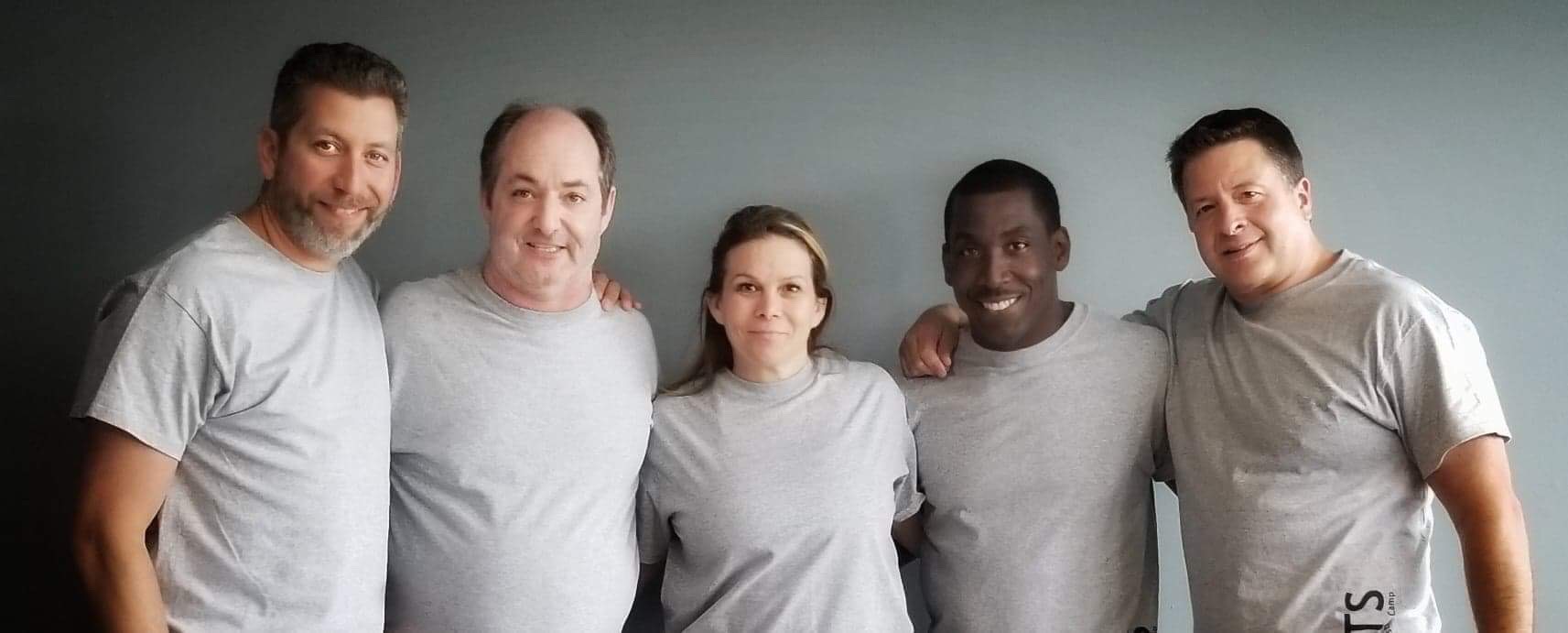
Steve David, MIKE OUTRAM, Wendy Bruce, Gary Issacs , Tony(me). Pegasus Gymnastics Camp
My life before my SCI (spinal cord injury).
I was a very active, outgoing person. I had been accepted into the Winnipeg ballet. I was a national diver, a gymnast, and a wrestler. I enjoyed base jumping, sky diving, parasailing, white-water rafting, deep sea fishing, rock climbing, cave exploring, hiking, boating, ATVing, bahaing on the sand dunes, kite boarding, and cliff diving. Adventure was my middle name.
I attended the Seneca College coaching program to get a coaching diploma in elite gymnastics. At 19, I took up trampoline with Dave Ross where I won provincial championships my first year. Second year I went onto place at National Championships. The following year, I placed in the Top 6. Then I started a long career of coaching elite gymnasts from men artistic, women artistic, to tumbling.
This was all taken away when I dismounted into a pit that was incorrectly designed.
I broke my neck, C 3 and C 4. I was totally paralysed from the neck down. Leaving Beaumont hospital in the US I was told that I would never walk again and although I could breathe on my own they said in 2 months I would be on a ventilator for the rest of my life. This isn’t all. Everything below the break would be compromised: bowels, bladders, lungs. The only things that were not compromised were my brain and my heart. But that wasn’t quite true either. I had a heart attack at some point when the accident happened because of the trauma and my heart murmur got worse.
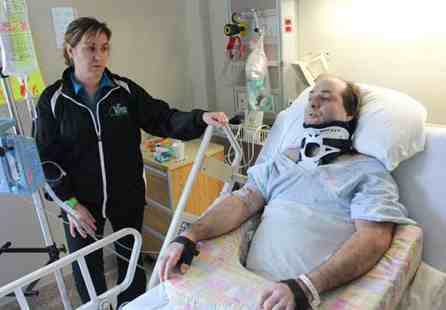
Well, almost 8 years later and 4 years in out of hospital here I am.
I’m still doing therapy 4 to 5 days a week: from hydrotherapy, guided Pilates, bow bath, Graston, acupuncture, TCM (traditional Chinese medicine), whole body vibration TPN (trigger point needling), and chiropractor. I can walk, stand, and move. I am back to coaching.
What else? Well even with all the therapy, my sensation is very poor and spotty. I can feel hot and cold in my left hand only. I have spots that I can feel touch but I’m hyper sensitive to light touch which means when you brush against me or the wind blows, I go into spasm. I only sweat from the break up (C3 and C4), so from about my chin up. This means I can’t regulate my body temperature so I’m very susceptible to heat stroke. I need to drink lots of water to keep cool but my bladder doesn’t work well (doesn’t empty fully). When I feel like I have to pee it means now.
I have major nerve pain. Hands and feet are in constant nerve pain with burning sensation, pins and needles, and very poor feeling as well as spotty nerve pain. Like chasing a rabbit, it can jump anywhere sometimes: left forearm, right thigh, right side etc… But not all the time and for no real rhyme or reason.
What does it take to walk with no really sensation in my feet?
I have to visualize every step I take. I focus on how to walk so I will walk by you without acknowledging you. I’m not being rude. I’m focusing on every step. Plus my balance is poor so if I turn my head I will lose my balance because it is very poor. I would never pass a sobriety roadside test but that’s another story! (I also have a t-shirt that says I’m not drunk, I’m a quadriplegic for that reason exactly.) When you see me staggering at 8 am in the morning, you just need to say to those looking at you, “Mr. Mike needs to stop drinking this early in the morning” or “boy that was a wild party last night.”
When first relearning to walk I asked my physiatrist, “When you send me home who will tell me I can ride my bike?” Her response was, “your body will let you know.” That began the process of walking. I started with standing at the sink with my power wheelchair behind me. I would stand wedged between the sink and the wheelchair to brush my teeth. My nurse would ask if I had permission to stand and brush my teeth. I would always say “YEP.” It was all about liability. They didn’t want me to fall because it was a lot of paper work and it would set me back. To this day “Have you fallen?” is the first question all my doctors and community service people ask first. The answer is no.
It took about 4 months until I could stand for the whole time brushing my teeth without losing my balance. It was time to walk, even though I still needed assistance with eating. To begin to learn to walk, I would hold the bed for balance, then I would side step around the bed and back. I did this for 3 months. Then I would sit on my own, on the edge of the bed, take off one sock, then take two steps to walk to the closet, and then take two steps backwards. I had better articulation of my feet backwards. Why? Don’t know. But it worked. I would do this for every piece of clothing until I was ready for bed. Even though my left arm didn’t work at all and my right arm was poor, I figured keep trying until I figured out.
When are well we take for granted all the things that are part of our daily routine. After a spinal injury, I take none of these things for granted anymore. Everything I had learned in life I needed to relearn. Sometimes what I’ve relearned stays and sometimes it doesn’t. It might last for days or months. Sometimes it can even just be a few hours and I will have to relearn it again.
My nurses called me stubborn. I would like to think of it as determined.
I had a lot of nurses throughout my 9 month stay at Lynhurst. This was extremely long because most people where kicked out after several months but I had not plateaued. To this day I’m still improving. Just last month I had a change in my gate and in my reach pattern because my hip released and dropped into place by 1 ½ inches. You have to understand I have damaged L 2,3,4 and have a tear in L5 in my lower back as well as something going on in my S1. All this lower damage to my back isn’t from the initial injury. It is because I’m walking and I shouldn’t be walking. I’m glad my hip dropped because I was always telling my neuro physio I feel like I just want someone to pull my right leg down like traction (where they literally tie things on your ankles and stretch you). She was shocked that I’m still adapting and making changes.
I knew all about plateau from being a gymnastics coach.
I was originally told after two years my gains would be minimal. The first two years were the most important and my arms would be the last to come back. I figured that because the arm and hand had the most fine motor skills it was important to be functional and push hard.
My OT (occupational therapist) didn’t like me because she taught me how use utensils again by just stabbing my food but I wanted to be normal and use a fork the way I used to. So a good friend found some forks and spoons online that had big handles I could grab. This beat the adaptive utensils they wanted to strap on my hands. Then the OT was going to teach me how to get things out of the cupboards and fridge in my wheelchair. I told her no because I was not staying in the wheelchair. That I needed my arms back and they would take the longest, “so work on them!”
Now I can brush my teeth, comb my hair, shave with a straight razor, swim, run, split wood, cook all my own meals, live independently, unwrap all my parcels, and make jewelry. I chose not to go the dark place. I chose to be athlete and to train to be able to do the best I could on any given day.
I signed up for any and every research. I looked at this learning as free therapy. It was all about my mindset and choice and how I looked at things from the beginning. I remember leaving Michigan and the doctors saying you will NEVER walk and you will end up on a ventilator. I said to the doctor, “That doesn’t work for me.” I said to my parents, “I cannot live that way.”
What I Learned from Sport
Four years later I’m sent to Windsor to prepare to live on my own. If I can see something I can do it. Since I have poor sensation or spatial orientation I need to visualize what I want my body to do as I’m doing it. When I’m in therapy I visualize what action they want or the pathway the nerve impulse takes to make my fingers wiggle. When I’m in pain because they are increasing the range of motion that a limb has not been in for a long time, I focus on my breathing technique not to go into a spasm (freak out). When I am coaching I tell the kids to breathe and relax when stretching. I didn’t realize that this simple strategy we use all the time in gymnastics would create such a misunderstanding with my health care team. At the time they seemed to confuse my visualization and breathing with a mental health issue.
My physiotherapist was concerned because I didn’t make eye contact during our sessions. I would close my eyes or look out the window so I could focus and visualize. It took all my concentration. She thought I had social issues so on a Friday I got called to see mental health. Mental health peer support people drilled me on how I’m doing in therapy. I reply “fine.” This is right after my morning session. I’m exhausted.
Before lunch I’m called down to see the social worker. I’m drilled on how therapy is going again. I reply “fine.” The social worker informs me that they have concerns. She says that I don’t look at them. I tell her that I’m picturing what is supposed to be happening. She said that the physiotherapist is intimidated by me. I say “then she needs to go back to school and get more education.”
That day I get fast-tracked to see a psychologist and a psychiatrist all before dinner, to only end up seeing a neuro psychiatrist Saturday morning at 9am. Now I didn’t know there was even such a thing!! So I GOOGLE it to find out there are only two in Ontario!! And I get to see him Saturday morning! He asks how I am doing. Again. I reply “fine.” Again. By this time I’m annoyed. I say “How would you feel if you lost everything you knew? In a second I lost my life as an active person and elite gymnastics coach traveling the world.”
He shared an example with me about his son playing hockey and his son asked the coach why the coach didn’t go on to play in the NHL. The coach said it was because he wasn’t good enough. I didn’t understand were he was going with the story. I reply, “I was good enough and it has all been taken away.” He closed with, “Were you this stubborn before the injury?”
I said, “I was told I would never walk and here I am standing in front of you now.” He wished me luck and left.
Never give up.
Believe what you believe in. It’s about choices. The biggest thing I learned is that everything I learned in sport works even when the worst possible thing happens. Give 100%. Keep on trying until you get it. Don’t quit. Trust in what you taught your body because it will come back. It’s about training pathways. Once it’s learned it’s in there somewhere. It’s about whether it can come back out.
So if a quadriplegic can do it, so can you. Don’t stop pushing yourself.
Right now, I’m working on relearning how to drive a boat and then I want to relearn how to drive a car.
Mike’s Secret to success? It isn’t how he eats!
TR
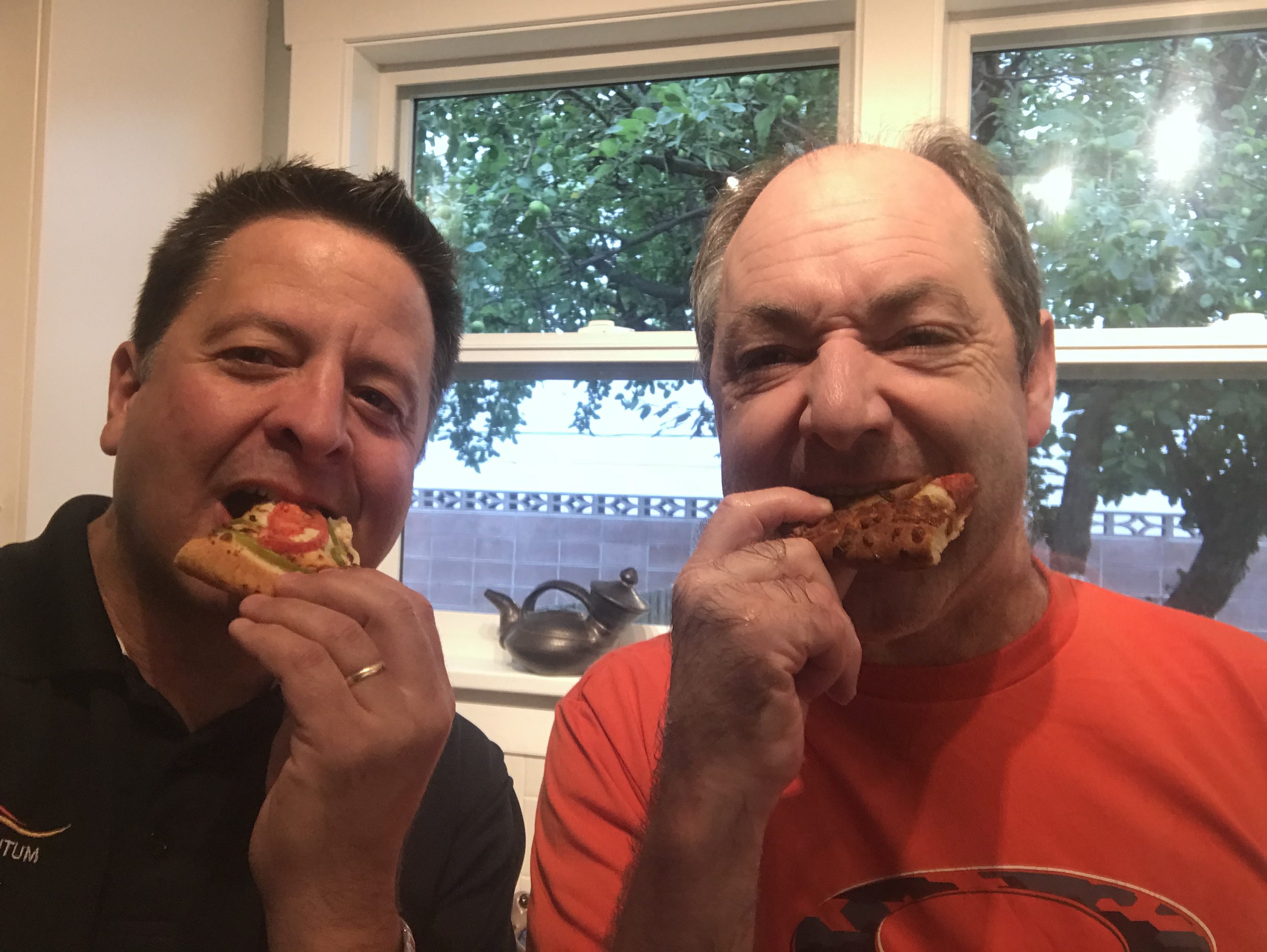
Cold Pizza For Breakfast
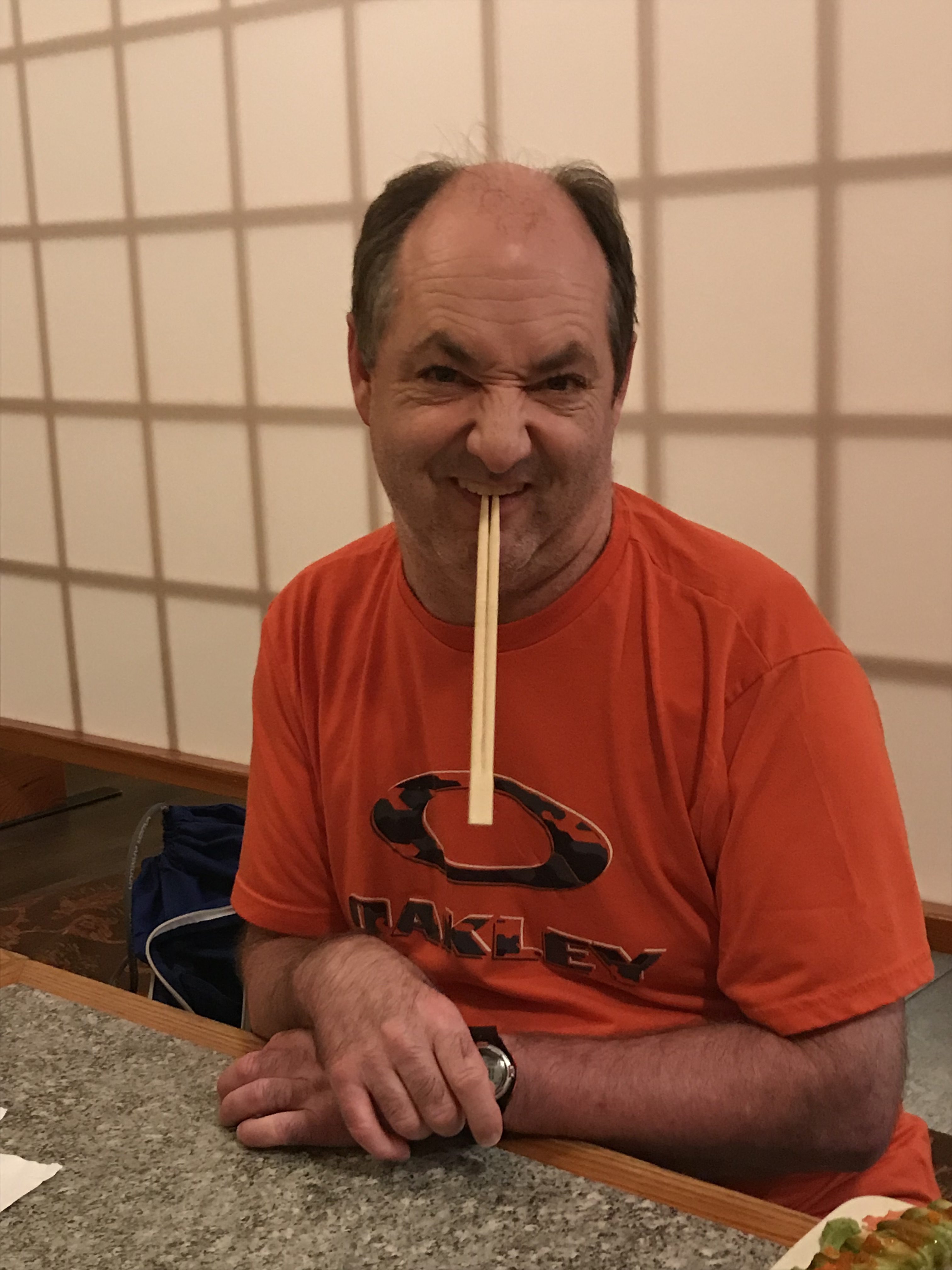
Sushi for dinner (Mike still has trouble using chop sticks)
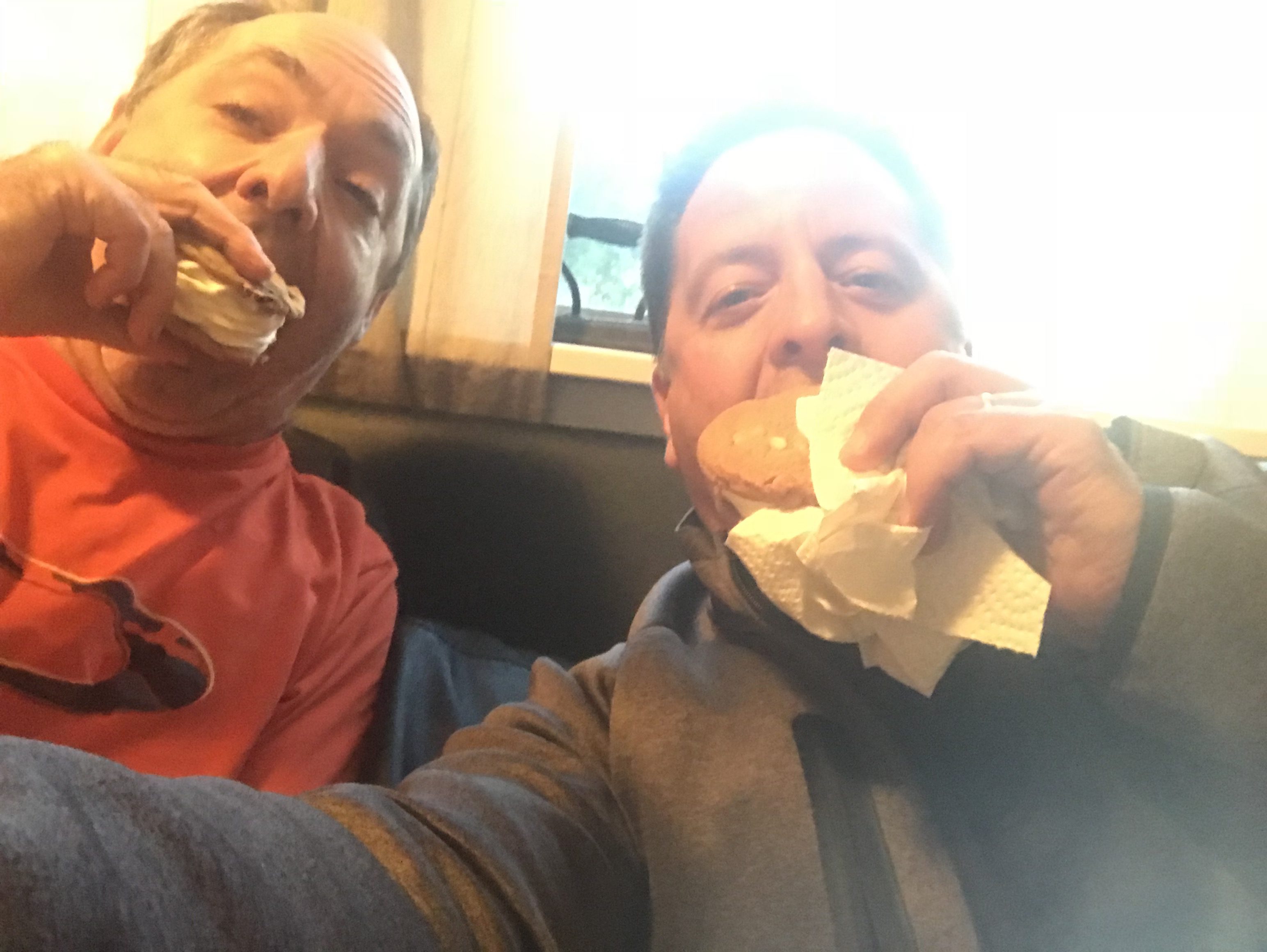
Ice Cream Sandwiches for dessert
Beware of YOUTUBE Experts.
 One of my college professors once said, “there is a big difference between having studied the biology and behavior of tigers in the library and coming face to face with a tiger in the wild.” Right now there are many “Experts” on Youtube. Anyone with an iPhone and a YouTube account can pass themselves off as an expert.
Why would you want advice from someone who hasn’t done it before or doesn’t have a great deal of experience?
A couple weeks ago I needed to a fix a broken valve spring on my plow truck. Having never done anything this complicated I had my iPad propped up on the engine and I followed the YouTube video step by step. Everything seemed ok. But the truck ran really rough. I called a friend who works in a garage and he sent me to another video. This one showed another step and now my truck ran much better.
LESSON- I should have called my friend who works in the garage first. Gotten his advice before I tried.
As I was researching VALVE ADJUSTMENT videos for my truck- VALVE REPLACEMENT SURGERY camp up. Oh dear god!
DO YOU REALLY WANT A DOCTOR WHO LEARNED TO DO THIS SURGERY ON YOUTUBE?!
Of course not!
DO YOU WANT A SURGEON WHO HAS ONLY DONE THIS SURGERY ONCE OR TWICE?
No, you want someone with experience.
As a coach, you need to be hungry to learn. You need to work for that knowledge. You cannot just sit behind your computer and look at videos and think that you are getting an education. There are so many camps, congresses, clinics and conferences out there.
Get off your ass and go find one.
If one isn’t available- HOST ONE. I can think of a dozen REAL experts who would be happy to run a clinic in your gym for you and the clubs near you. If this is not practical, find a coach with experience and ask them if you can visit.
Become a critical thinker and skeptical of YouTube experts. – When you see a video, look at that persons credentials. There are certain some great thinkers out there and you can find some good drills but if your entire educational plan is largely based on watching YouTube videos, you are probably not going to be as successful as you want. When I post videos I try to post quality material. I have experience, I’ve made mistakes, I try really hard to have a good foundation and then find drills that work for that particular gymnast. But even that is lacking.
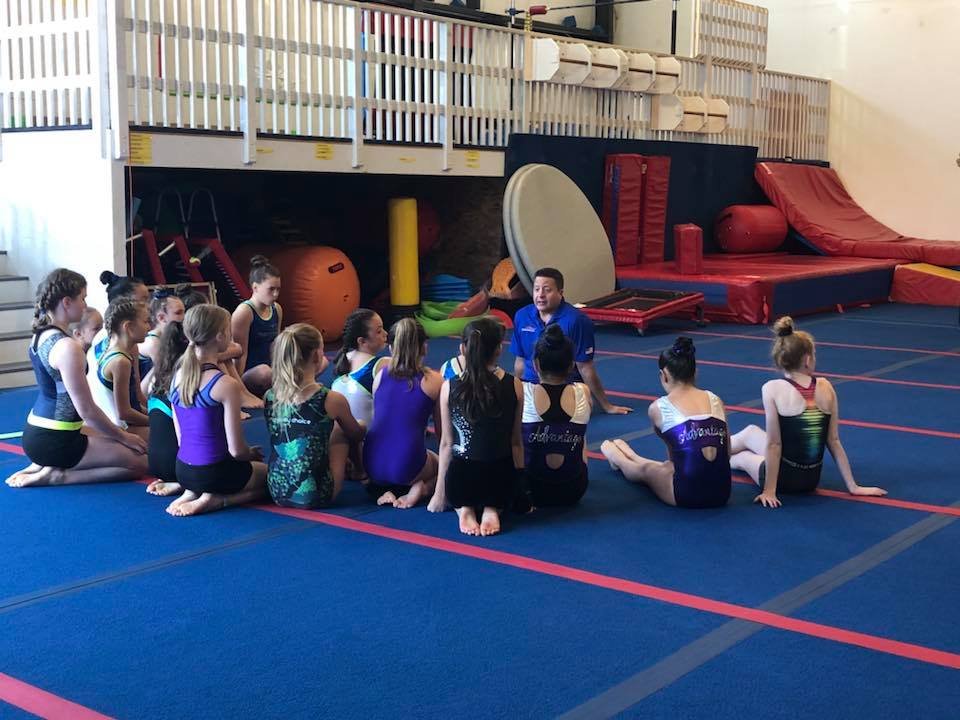
Tumbl Trak Clinic at Twisters Gym Washington
While on a trip to the UK and Germany I was able to meet up with Nick Ruddock and we recorded a Podcast.
I’m episode 006. (kind of wish I was oo7).
 We all know some A LIST coaches. Mary Lee Tracy, Kelly Hill, Tom Forester, Valeri Liukin, Al Fong and Aimee Boorman to name a few. These are great coaches who put in their time and have had a great deal of success.
No one I know started coaching or teaching to be average. I think we all got into the professional end of the sport to become an A LIST COACH. It does not have to be an A LIST Team coach. Maybe it is the A LIST of Pre-school coaches like Beth Gardner.
I was listening to The Hidden Brain on NPR this weekend. The show was about A LIST celebrities in Hollywood. What they have in common and what do you need to do to become one. The A LISTERS are most photographed together than any other group. They are the MOST cliquey and it seems to be all about where you go and who you hang out with.
They go to the same parties and restaurants. It is as important where they DO NOT go as where they do go.
As a coach or teacher there are many lessons you can take from their research. You have to be seen. You have to go to the right meets and the right training camps. You certainly can go to any competition you want but if you spend your time going to small competitions with not a great deal of competition, what’s the point? What are you learning? Are you pushing yourself to compete with the best? I would rather be middle of the pack at a very competitive competition where some of the A LIST coaches are than be the best at a small competition.
In Hollywood and in Gymnastics you have to SEE and be SEEN. Your social standing depends on it in Hollywood. Your “street cred” in the gym depends on it as well. According to research, in Hollywood it is very difficult to break into that A LIST. You have to have a HUGE blockbuster movie/ TV show or you have to date/marry into the group. There are huge barriers to even meeting and being seen with the A LIST.
In gymnastics you can go to competitions and camps to see our A LIST coaches and even work with them.
At one point, social status was also influenced on flashy wealth. Now it is based more on inconspicuous consumption. It is no longer about the silver spoon but more about cultural capital. A spoon is a spoon. They all serve the same purpose whether it is SILVER or a more basic metal. A LISTERS are now spending time and money on less showy things like daily Yoga classes, Education, alternative energy cars and houses. These things are certainly expensive and the price tags add up.
Most team coaches want the social status of having a HIGH LEVEL TEAM or being a premier educator at a national congress. But NO ONE is going to hand you a group of high level athletes and you really can’t marry your way into the A LIST of coaches. You are going to need to spend a great deal of time and planning.
You need to spend your TIME and MONEY on less flashy things. A new set of bars or a brand new tramp looks great but maybe time and money is better spent on things like EDUCATION, COMMUNICATION and PLANNING.
A LIST actor Will Smith has said, “IF YOU STAY READY YOU DON’T HAVE TO GET READY”.
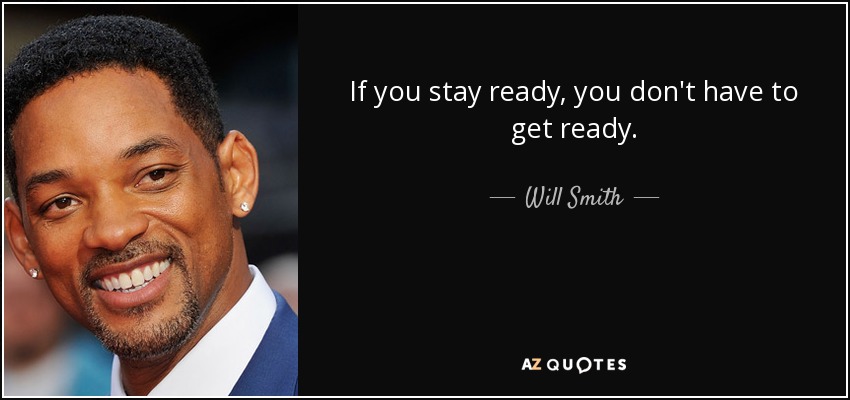
With your gymnasts and coaches, you can’t wait until you have a Level 10 to have a plan for your Level 10 Team.
What are you waiting for? Go and find a training camp this summer where you and your gymnasts can work with A LIST Coaches (like Chris Gallardo, Steve David, Don McPherson, Vasko Vetzev, Tony Retrosi, Jeremy Mosier).
As you plan next seasons competitions plan on a competition or two where there are some GREAT clubs to watch. There is no reason to reinvent the wheel. Go and see what they do. Have your gymnasts watch those sessions as well.
Many years ago I worked at a gymnastics camp in Upstate New York. It was a great place where I learned a ton as a coach. What I didn’t realize is how much I learned as a leader.
Although there was a crew of people who worked at camp year round. One person in particular stands out. The Assistant Director Chris. His total gymnastics knowledge was that he knew the names of the equipment and knew that boys didn’t do beam and girls didn’t do rings. He had charisma and integrity. If you screwed up, he let you know. Then he helped you fix the problem. If you went above and beyond the job, he made sure he thanked you. If you saw him out in town he would always buy the first beer and then make sure everyone made it home at the end of the night.
He had NO gymnastics knowledge. His job was THE CAMP. Basically everything OUT OF THE GYM. From making sure the cabins were ready for campers to making sure the counselors who stayed with the gymnasts were well trained and prepared for the job ahead. He had a thankless, never ending job. If their was a storm and the power went out- he was out with a flashlight making sure everyone was safe. If a tree fell across the road, he was up there with a chainsaw. He worked around the clock. Anything to improve on the experience for the campers and the staff. I remember walking back from the gym late at night. I had stayed after to take care of paperwork and phone calls to parents. It was close to 1 AM. I thought someone had left a light on in a maintenance shed. I went to shut it off. NOPE- he was in there. Working on one of the boats so that the could take the kids and coaches tubing the next day (his DAY OFF).
 He was constantly looking for solutions. Finding a way to fix the problem- not the blame. We “employed” a local football team to assist with set up of the gym. One time the FLOOR EXERCISE got set up about 5 feet off. With the FLOOR being out of place, no other equipment would fit in the right place. While some people stood around and were trying to figure out the best way to take it apart and move it, He drove his truck into the gym- threw a tow strap around the ENTIRE FLOOR and pulled it into place.
We knew he had our back and we would do anything for him. Many times you found yourself doing some undesirable task and think- “HOW DID I END UP DOING THIS?”. In one particularly bad summer storm I found my self at midnight setting sandbags in front of a cabin (no kids were there yet) to divert the water. Then I am dragging pieces of a tree that he was cutting up because it fell across the road. When the sun came out the next day you could almost see the grass grow. The gymnasts were arriving that afternoon and the regular grounds crew was busy cleaning up storm damage. I look in the athletic field and there is a 2 time Olympian sitting on top of a tractor mowing. I was using a push mower to mow around the cabins (maybe I would have had a riding mower if I had made the olympics!). More gymnastics coaches were out clearing branches that fell and making sure all the cabins were clean and ready. Things FAR beyond what they had been hired to do.
His name is CHRIS SCHEUER. We would joke around about getting “Scheuered”. Those times where you found yourself doing some task that was a LONG WAY from “your job”. It was a job that needed to get done and Chris had asked. You would never want to disappoint him. It got to the point where if you saw that something needed fixed or that if there was a problem- you just did it. You knew he was busy and you didn’t want to let him down.
What I learned from Chris is that your goal as a leader should NOT be to have people do things when you ask. It should be to make people WANT to do things before you ask.
Yes, you need to have the right people in your organization but you also need to be the right person at the head of the organization. No job should be too small for you. No job should be too messy. And when you are over your head. Get Help.
Here are some questions to ask your self to see if you are doing a good job.
Some common sense rules to follow
I wish I had a photo of Chris to post here. That way anyone in the Cleveland area who runs across him can tell him I said thanks.
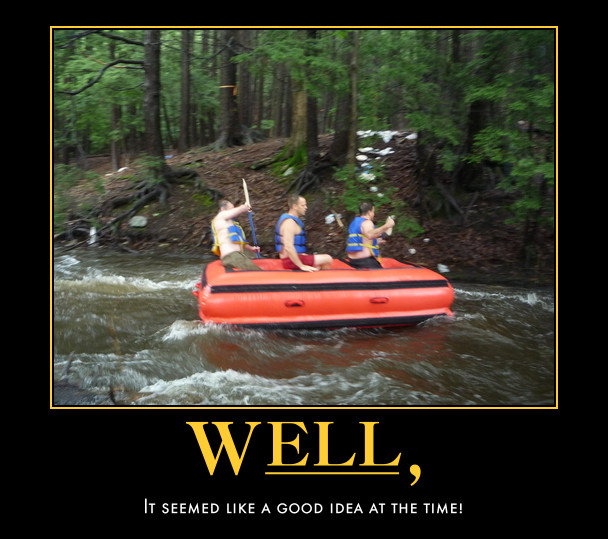
That’s him in the center
Yes, this could be the recipe for success.
More importantly it is how my staff at Atlantic Gymnastics encourages me to buy new things for the preschool program.
I enjoy my wine and I get a case of delivered every month or so. Recently I was out of the country when I wine was delivered. One of my coaches took a photo to let me know it had arrived.
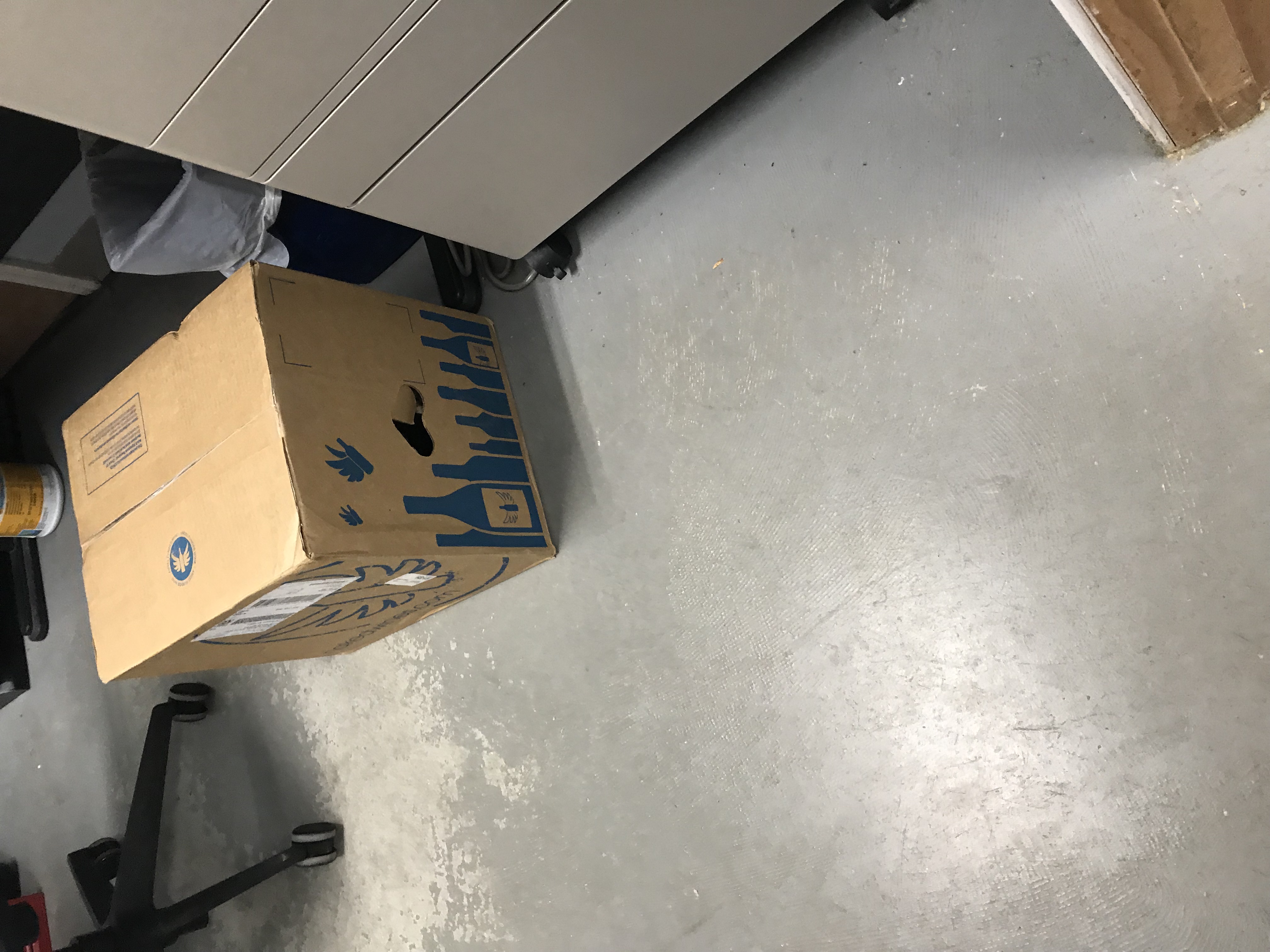
Your wine has arrived
I responded, “Thanks“. And Then I received this photo
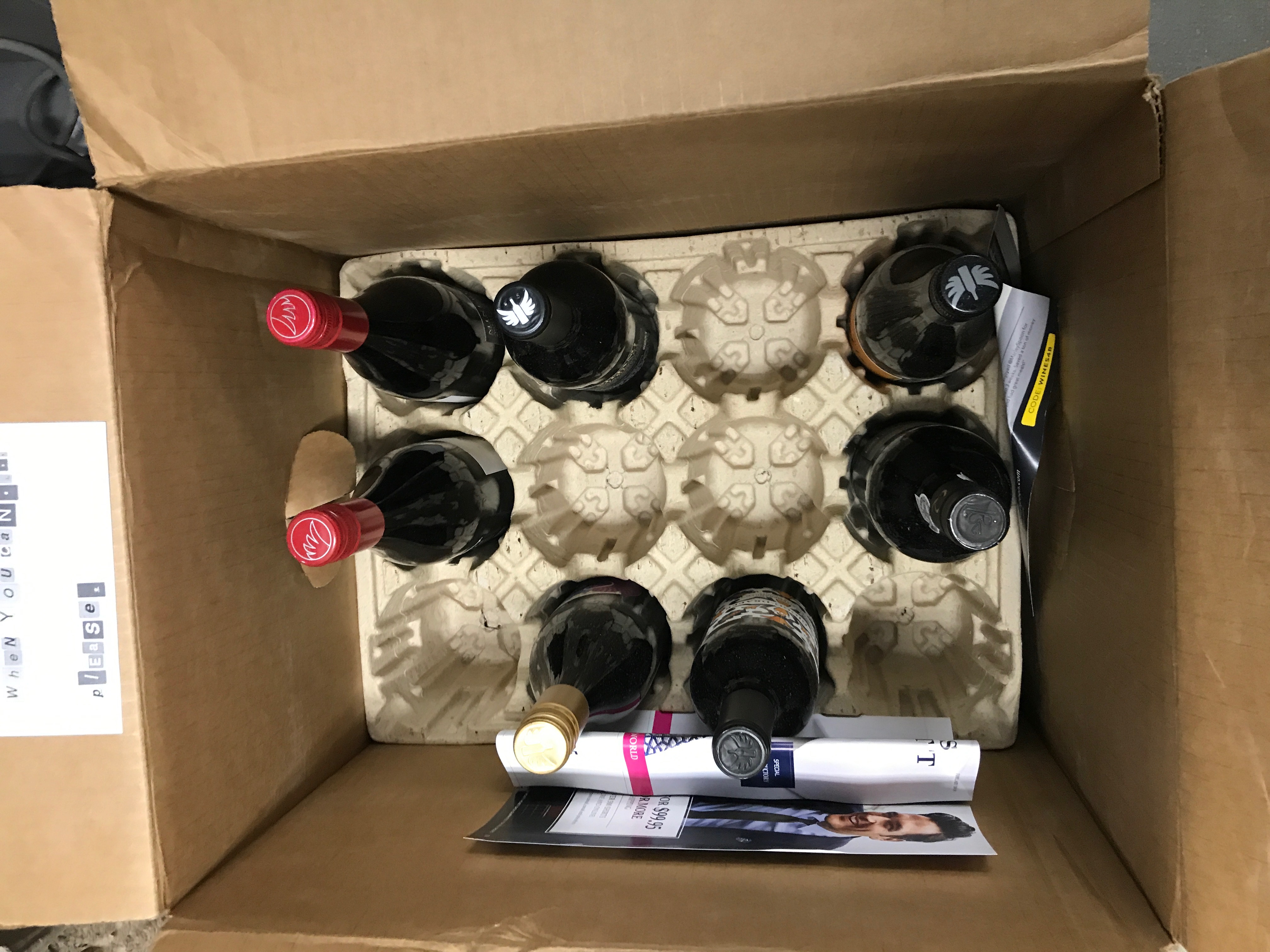 Followed by:
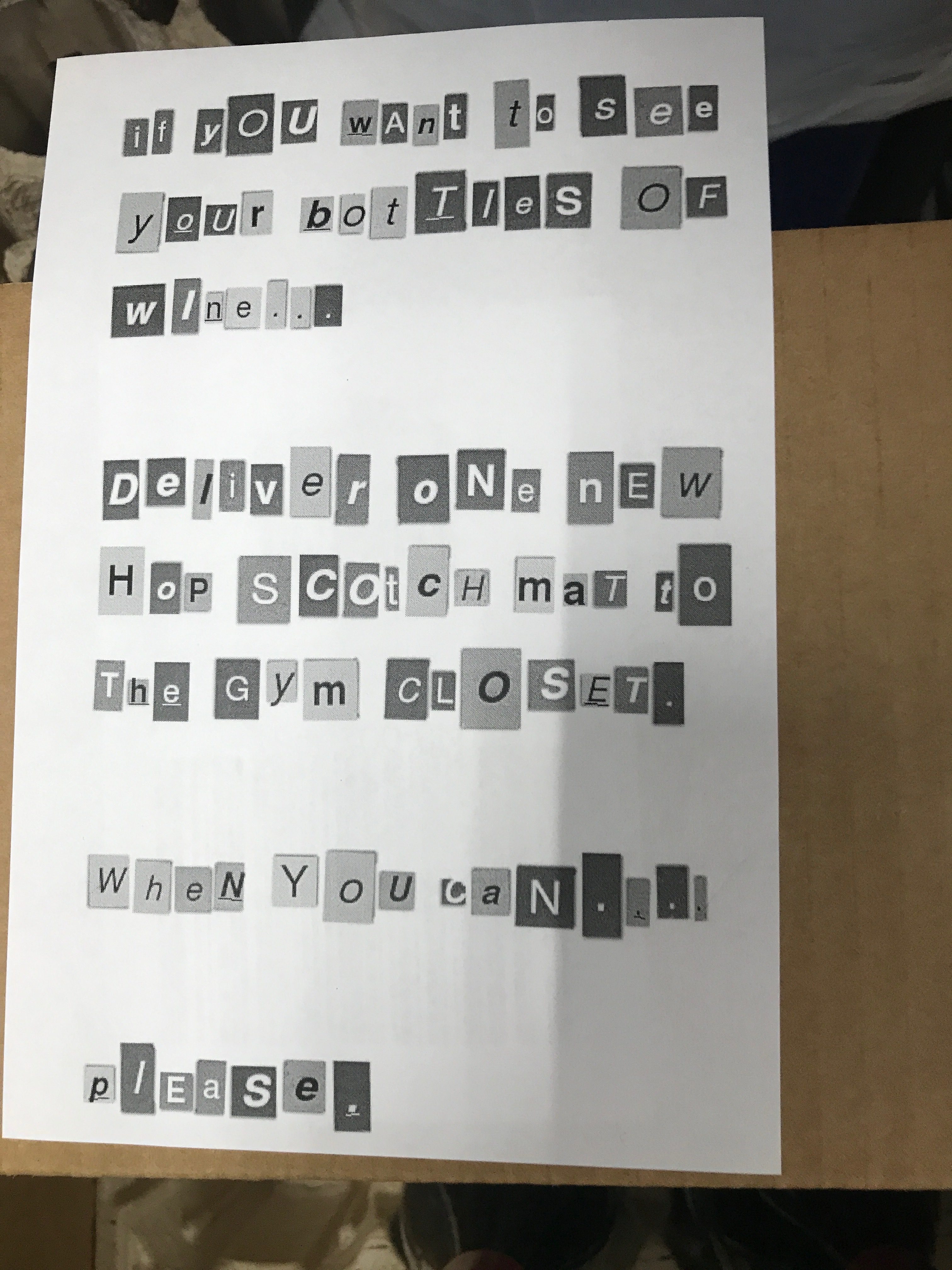
I love my staff. I will be shopping for a new HOP SCOTCH Mat tomorrow.
Anyone help me out and tell me where to get one?
I don’t know how your competition season is going and/or ‘went’ (depending on when you’re reading this).
Maybe it was amazing. Maybe you think it went amazing and it wasn’t. Maybe you think it went poorly and it was really amazing. Maybe you think it went poorly and it did.
Maybe all of these adjectives aren’t nearly sufficient to evaluate the performance of what is, increasingly, one of the most complex (and often thankless) jobs?
It is time to reflect on the last year in the gym. Just to get a sense of what GOOD happened and what changes need to be made going into next year.
There is a lot of talk these days about FAKE NEWS. But how about FAKE EDUCATION. These days anyone with an iPhone can make a video of a drill, post it on youtube and declare themselves an expert. To become a better coach you need to find someone you trust to mentor you. Very few of us are blazing a new path in the gymnastics world. Someone has already done it before. You need to find that person who has achieved what you want to achieve and has overcome the challenges you are now facing. Learn from their successes and failures.
In the business world mentorships are commonplace and corporations big and small invest in them to help their employees grow. We need to do the same in GYMNASTICS. Right now the gymnastics world is missing true sports scientist and technical masters willing to share their knowledge. Maybe it is the current environment within USA Gymnastics where we seem to bounce from one crisis to another that is keeping some people sidelined.
Most of us work in gyms that don’t have a formal mentoring program or we work for ourselves. Don’t dismay- there are still many, MANY coaches out there with the EXPERIENCE and knowledge necessary to help you out. It may just take a little bit of work to find them and ask for help. .
At the same time, most of the coaches you WANT to work with are crazy busy, all of us are over-committed and must double down on efforts to block out the noise from frivolous requests that come our way.
To capture the attention of a potential mentor and hold it long enough for him/her to consider mentorship, your message must be highly targeted, clear, and answer these 4 questions.
What specifically about this person attracts you to them? What have they accomplished? How do they live their life? How have they helped others? How well do you know them? Are you basing your attraction on what you see online, or have you engaged?
If you are looking for business advice for your gym, reach out to someone who has been around a while in a similar market. If you are looking to increase the skill level and success of your Level 9/10 program, reach out to someone who has a program you can emulate.
I have seen some business owners in a small to medium market reach out to gym owners in big cities. KNOW WHAT YOU WANT TO LEARN.
Now you have found a coach to mentor you. To stand beside you and help you out. Someone who has been there before. You have written down exactly what you want to learn from them . How will you implement it? Your mentor should be able to help you with this too.
Assume if you are seeking mentorship from someone you admire. You can bet that others are also asking the same person for advice. How do you move to the top of the list? Show them that you will take what you have learned and use it. When people ask me how much a clinic at their gym costs, I give them 2 prices. One if they listen, learn and implement. The other if they don’t listen and I don’t think they will use the info I give.
Why you? There are so many gymnastics professionals looking for help right now you need something that is going to make you stand out. Talk about your mission in the gym. Talk about how committed you are to learning and seeking mentorship. Talk about what you will do to ensure your mentor is not wasting their time.
What convinces me to take on someone who wants me to mentor them?

The idea for this article came while I was reading an article in INC magazine while I was talking on the phone with a colleague. We were both frustrated by the lack or REAL gymnastics education going on right now. I had some notes from the article “Chasing Down a Mentor to Help You Grow”.
This spring and summer I am trying something new.
Gymnastics is such a visual sport often it is very difficult to answer the questions people send me. It is just too difficult to describe the technique, drill or progression. I think this keeps some coaches from asking a question.
This spring and summer, if you e-mail a question, if necessary, I will video the answer. I will show the drill or progression.
If I do not know the answer or there is simply someone better suited to answer it- I will reach out to one of my many contacts and have them video the answer.
My goal turn around time will be under a week.
What kind of questions can you ask?
What Kind of questions you CAN ask but I probably won’t answer

ASK GYM MOMENTUM
E-MAIL YOUR QUESTION:
Tony@gymmomentum.com