Setting goals, making plans, and remembering that the clock is always ticking.

Every year around this time, I find myself thinking about the upcoming competition season. After more than 40 years in gymnastics, you would think I’d have gotten used to it. But there’s still something exciting about this time of year.
The routines are coming together. Skills that seemed impossible a few months ago are starting to look pretty good. Coaches are studying competition schedules, trying to figure out who is ready for what, and wondering how they’re going to fit everything into the time they have left. And somewhere in a gym right now, a coach is looking at a gymnast’s routine and thinking, “Well, that was a lot better in my head.”
We’ve all been there.
Over the years, I’ve coached athletes with dreams of making national teams, winning championships, and competing at the highest levels. I’ve also coached athletes whose biggest goal was to make it through a beam routine without falling off.
And I’ve learned something important.
The size of the dream isn’t nearly as important as having a realistic plan to pursue it.
As gyms across North America prepare for competition season, this is the perfect time to think about goals. Not just for our athletes, but for our teams and, perhaps most importantly, for OURSELVES as coaches.
Years ago, my friend and mentor, Dr. Joe Massimo, gave me a piece of advice that has stuck with me throughout my coaching career:
“INK THEM — DON’T JUST THINK THEM.”
Write your goals down. Give them a timeline. Make a plan.
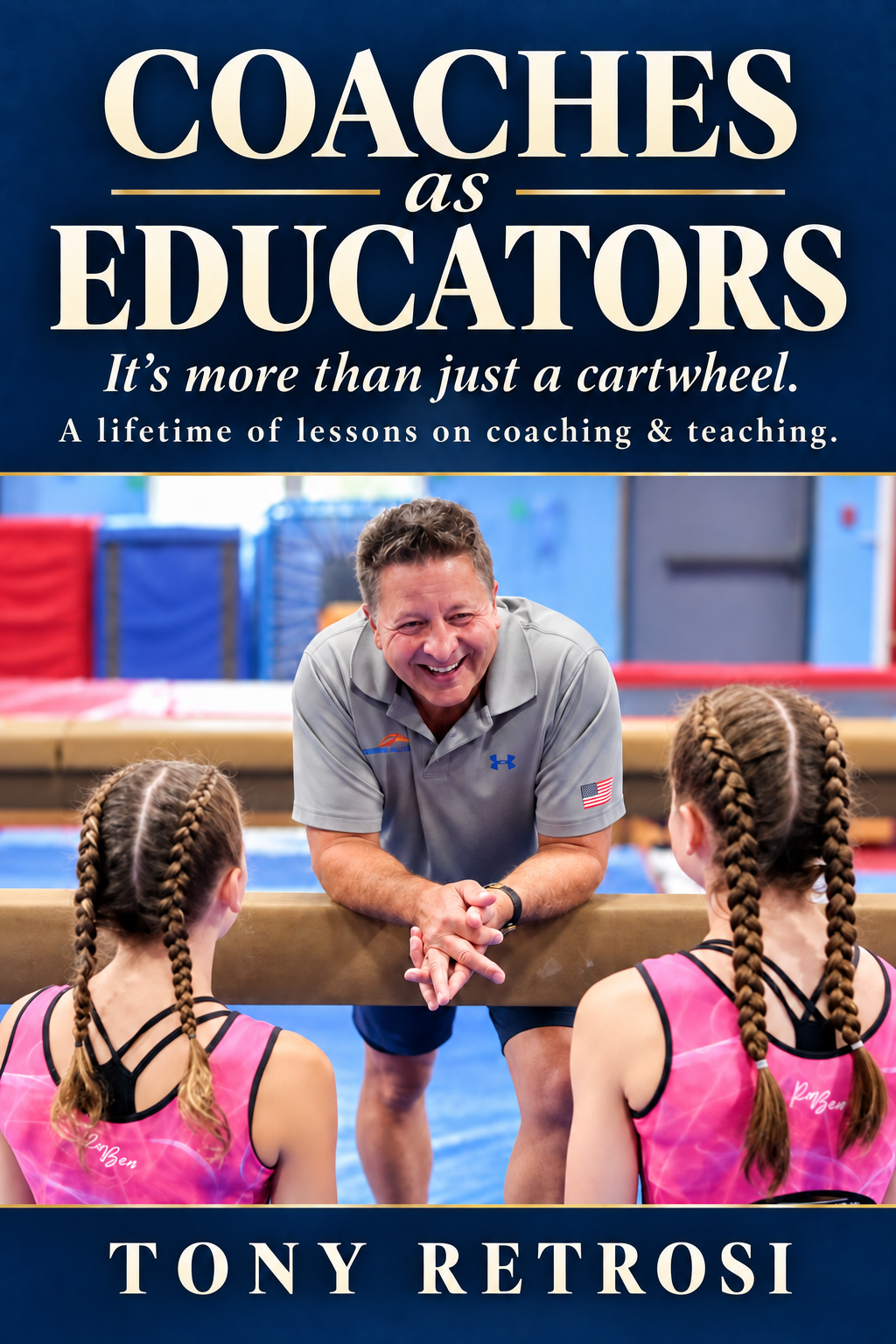
It’s a lesson I explore in the chapter on establishing goals in my new book, Coaches as Educators, whose English paperback edition is scheduled for release tomorrow on Amazon.
In fact, I wrote a Gym Momentum post years ago called Dreams Have Expiration Dates
I still believe in encouraging athletes to dream big. I would never want to be the coach who crushes a child’s dream. But I also don’t want to be the coach who fuels a fantasy without helping that athlete understand the work required.
A dream is something you hope will happen. A goal is something you work toward. A plan connects the two.
And time doesn’t stand still while we’re figuring things out.
Three Levels of Goals
I encourage coaches to establish goals at three different levels.
1. Goals for the Team
- What do you want your team to accomplish this season? Maybe you want to qualify more athletes to championship meets. Maybe your goal is to improve consistency, reduce injuries, or build a stronger team culture.
- Not every team goal needs to involve a trophy.
- Some of the most important goals are about the environment we create.
- Are athletes supporting one another? Are they taking responsibility for their training? Are they learning to compete with confidence?
- Make sure your coaching staff understands what you’re working toward and how you’ll measure progress.
- And remember, the team’s goals should never come at the expense of the individual athlete.
2. Goals for the Individual Athlete
- Every gymnast is different. They develop at different rates, have different strengths, and face different challenges.
- One athlete may be working toward qualifying for Nationals. Another may be trying to compete a routine without a fall. Another may simply be working to overcome a fear that has been holding them back.
- All three goals are important.
- And all three deserve a plan.
- If an athlete wants to compete a new skill in February, what needs to happen in November? What should they be accomplishing in December? What will tell us in January that the skill is ready?
- Hope is important. But hope isn’t a training plan.
- I also believe athletes need to be involved in setting their own goals. It’s easy for coaches to tell athletes what we want them to accomplish. It’s much more meaningful when athletes take ownership of the process.
- After all, it’s their gymnastics career. We are there to guide them, not live it for them.
3. Goals for OURSELVES as Coaches
This is the one we tend to forget. We spend so much time setting goals for our athletes that we sometimes neglect our own development. What do YOU want to accomplish this season?
Do you want to become a better communicator? Learn new drills? Improve your understanding of sports psychology? Become more organized? Develop your assistant coaches. Maybe your goal is to get through an entire competition without wanting to YELL at a judge.
Let’s start with realistic goals.
Seriously, though, our athletes deserve coaches who are continuing to learn. If we expect our gymnasts to evaluate their progress and improve, shouldn’t we expect the same from ourselves?
In Coaches as Educators, I return to this idea throughout the book. We are not simply teaching gymnastics skills. We are teaching habits, attitudes, and approaches to challenges that our athletes will carry with them long after they leave the sport.
And one of the most powerful lessons we can teach is how to work toward something meaningful.
Give Your Goals a Deadline
A goal without a timeline is easy to postpone. I’ll work on that next week. We’ll start those upgrades after the first meet. I’ll spend more time on basics when things settle down.
Before you know it, championship season is here, and you’re wondering where the last four months went.
Start with the end date and work backward.
If your championship meet is in April, what needs to be ready in March? What needs to be consistent in February? What foundations should be established in December?
Build your training around those milestones, allowing enough time for skills to become safe, consistent, and competition-ready.
I also think it’s important to distinguish between outcome goals and process goals.
Winning a championship is an outcome goal. You can prepare for it, but you cannot completely control it. Other athletes and teams have something to say about the result.
Improving consistency, increasing strength, developing confidence, and making technical corrections are process goals. Those are things we can work on every day.
We cannot always control the result. But we can control much of the preparation.
It’s OK to Change the Plan
I have always believed that a good coach needs to be flexible. Kids grow. Their bodies change. Their interests change. Their confidence changes. Sometimes an athlete who was progressing rapidly suddenly struggles. Sometimes an athlete who seemed to be falling behind makes an enormous breakthrough.
Injuries happen. Families move. School becomes more demanding. And sometimes the entire world shuts down because of a pandemic.
COVID certainly taught us that lesson.
Please, let’s not go through anything like that again. I’m pretty flexible as a coach, but I’d prefer that my next major adjustment to a training plan NOT involve toilet paper shortages, Zoom workouts in the living room, and trying to teach gymnastics to athletes whose only equipment was a couch and an increasingly nervous family dog.
I think we’ve all had enough of that particular learning experience.
The point is that a goal should provide direction, not become a prison. It’s perfectly acceptable to adjust a goal as the season progresses.
Are we changing the goal because circumstances have changed? Because we’ve learned something new? Because the athlete’s needs are different? Or are we changing it simply because the work has become difficult?
Those are very different things.
Changing a goal isn’t necessarily giving up. Sometimes it’s a sign that we’re paying attention.
Don’t Forget to Enjoy the Journey
One of the dangers of focusing too much on goals is that we can forget to appreciate the process.
We become so focused on the next meet, the next skill, or the next qualifying score that we miss the small victories happening every day.
The gymnast who finally understands a correction. The athlete who gets back on the beam after a fall. The young coach who discovers a better way to explain something.
These moments matter.
A successful season isn’t measured only by medals and qualifying scores.
It’s measured by growth.
Did your athletes become more confident? More resilient? More independent?
Did YOU become a better coach?
I have coached athletes who achieved almost everything they dreamed of. I’ve also coached athletes who fell short of their competitive goals but went on to accomplish extraordinary things in their lives.
I hope both groups learned something valuable from the process.
Because eventually, every gymnast’s competitive career comes to an end.
The lessons shouldn’t.
A New Goal of My Own
Tomorrow, November 16, the English paperback edition of my new book, Coaches as Educators, is scheduled to be released on Amazon.
The e-book is already available, and I’m working toward an Italian edition in January, with a Spanish edition to follow.
Writing and publishing this book has been one of my own goals.
It started as an idea. Then came the outline, the chapters, the revisions, the editing, and the seemingly endless process of figuring out how to turn decades of coaching experiences into something useful for others.
There were certainly days when I questioned the timeline. And a few days when I questioned my sanity.
But the process reminded me of the very lesson I try to teach athletes.
Dream big. Do the work. Be willing to adjust.
Coaches as Educators is about much more than teaching gymnastics. It’s about communication, leadership, emotional intelligence, understanding athletes, and becoming a better teacher.
My hope is that coaches will read the book, recognize some of their own experiences, question a few of their habits, and perhaps find an idea or two they can put into practice the very next day.
Because reading about becoming a better coach is easy.
Actually becoming one takes work.
One Last Assignment Before Competition Season
Before your next practice, take a few minutes to write down three goals.
One for your team.
One for an individual athlete.
And one for yourself.
Give each a realistic deadline and identify the first steps toward achieving it. Keep track of your progress, and revisit those goals as the season unfolds.
Remember what Doc Massimo told me:
INK THEM. DON’T JUST THINK THEM.
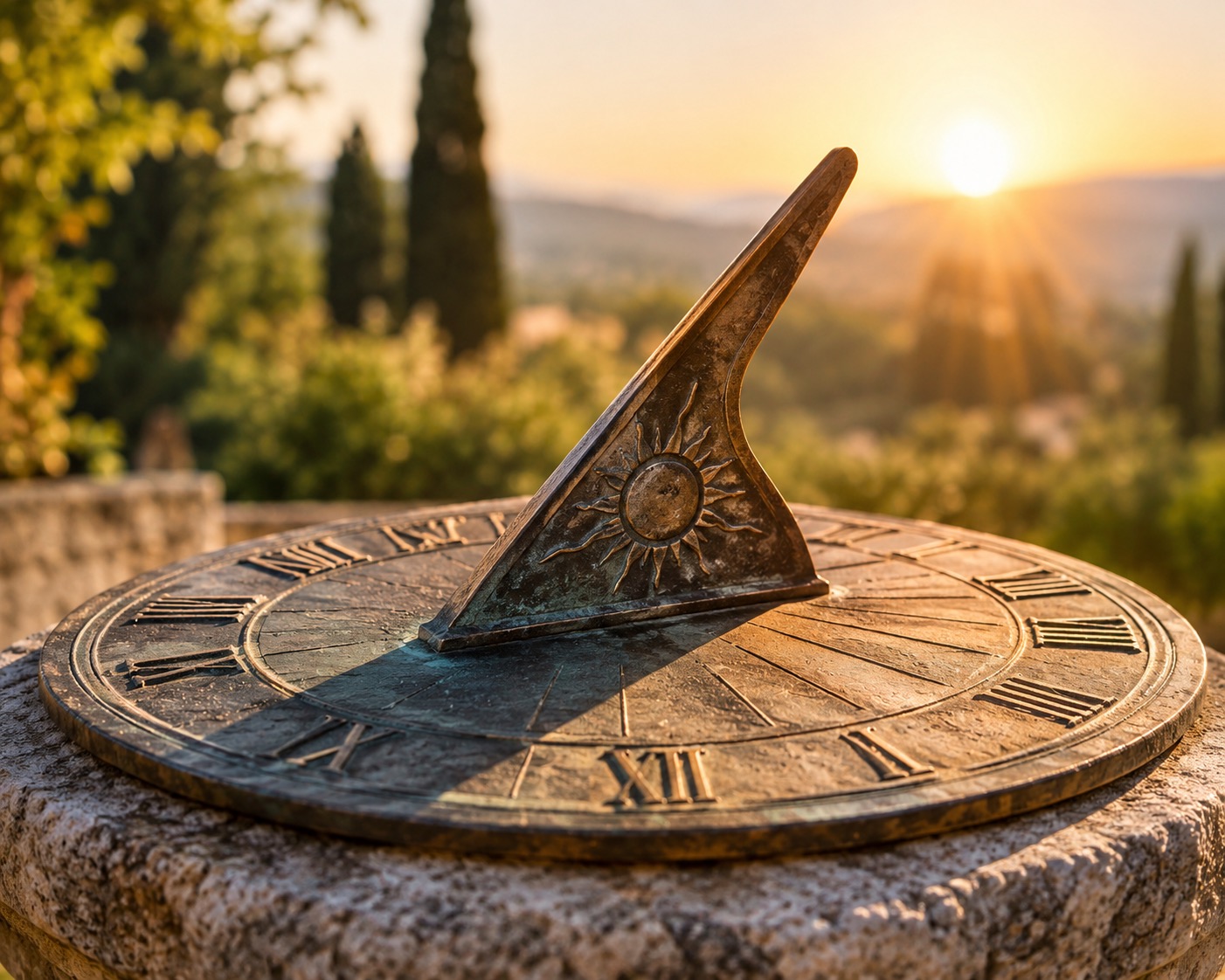
And don’t wait too long to get started.
Because dreams have expiration dates.
And the clock is already ticking.
It’s More Than Just a Cartwheel
Coaches as Educators — By Tony Retrosi
After more than four decades of coaching, I’ve learned that being a great coach isn’t simply about knowing how to teach skills. It’s about knowing how to teach people.
My new book shares lessons on communication, leadership, goal setting, emotional intelligence, and the art of becoming a better educator.
English e-book available now. Paperback scheduled for release November 16 on Amazon.
Italian edition planned for January. Spanish edition to follow.
Better Coaches. Brighter Futures.