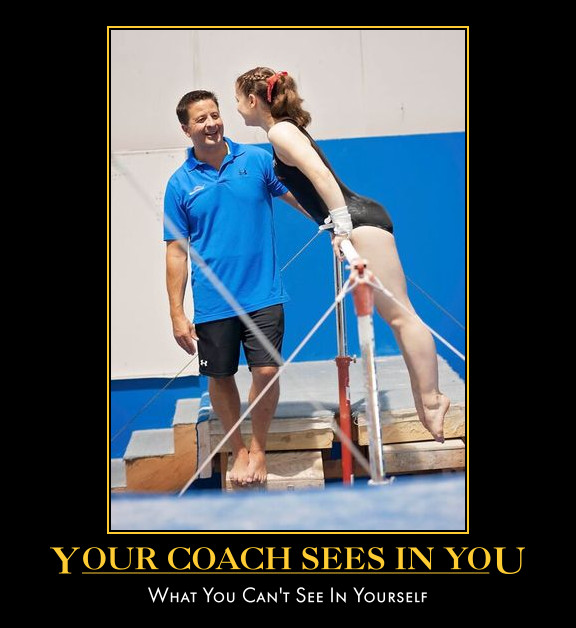
Sometimes the most important coaching lessons come when you’re not coaching.
I’m currently in Italy, spending time coaching, working on a few projects, and enjoying life here. At the end of a long day, I often relax by trying to find something to stream in English.
Don’t get me wrong. I love Italy. I love the language, my gymnasts, THE FOOD, and the lifestyle. But after spending much of the day thinking, speaking, and occasionally struggling in Italian, sometimes it’s nice to turn on the television and understand every word without having to concentrate quite so hard.
Recently, I was watching an episode of Ted Lasso. I’ve always enjoyed the show. Partly because it’s funny, but mostly because it understands something about coaching that I have believed for a long time.
Coaching is about people first. The sport comes second.
The episode was Season 4, Episode 7, titled “Yes & Baby.”
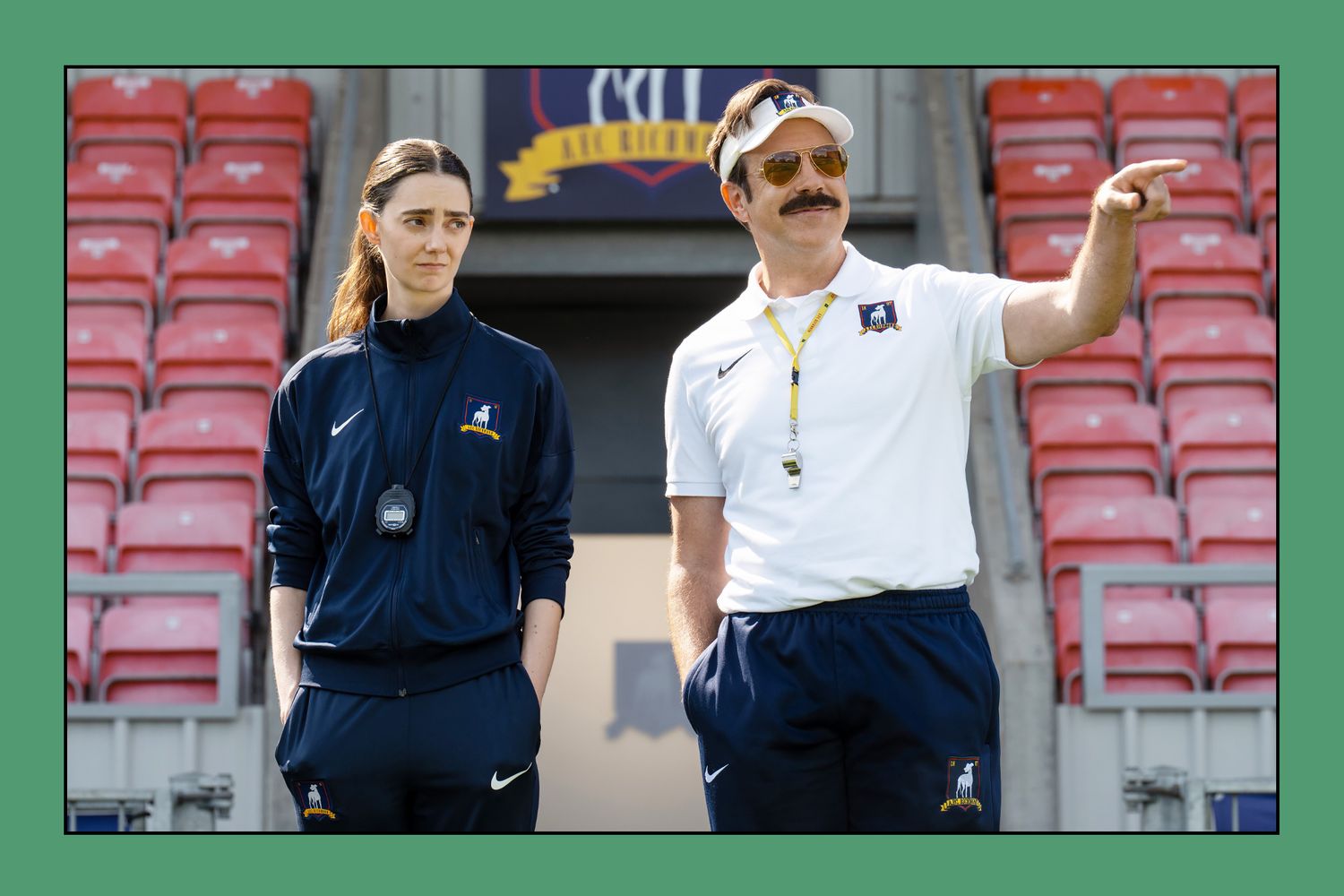
In this episode, assistant coach Alice Chilton, played by actress Tanya Reynolds, is trying to become a more positive and open-minded coach. She decides to start saying YES to everything. Of course, that doesn’t work out quite as she expected. Ted Lasso (Jason Sudeikis) and Coach Beard (Brendan Hunt) introduce her to one of the fundamental principles of improvisational comedy.
“YES, AND…”
The idea is simple. In improv, when someone introduces an idea, you don’t immediately reject it. You accept the premise and build on it. You say YES, AND…It keeps the conversation moving. It encourages collaboration. It forces you to listen instead of simply waiting for your turn to talk.
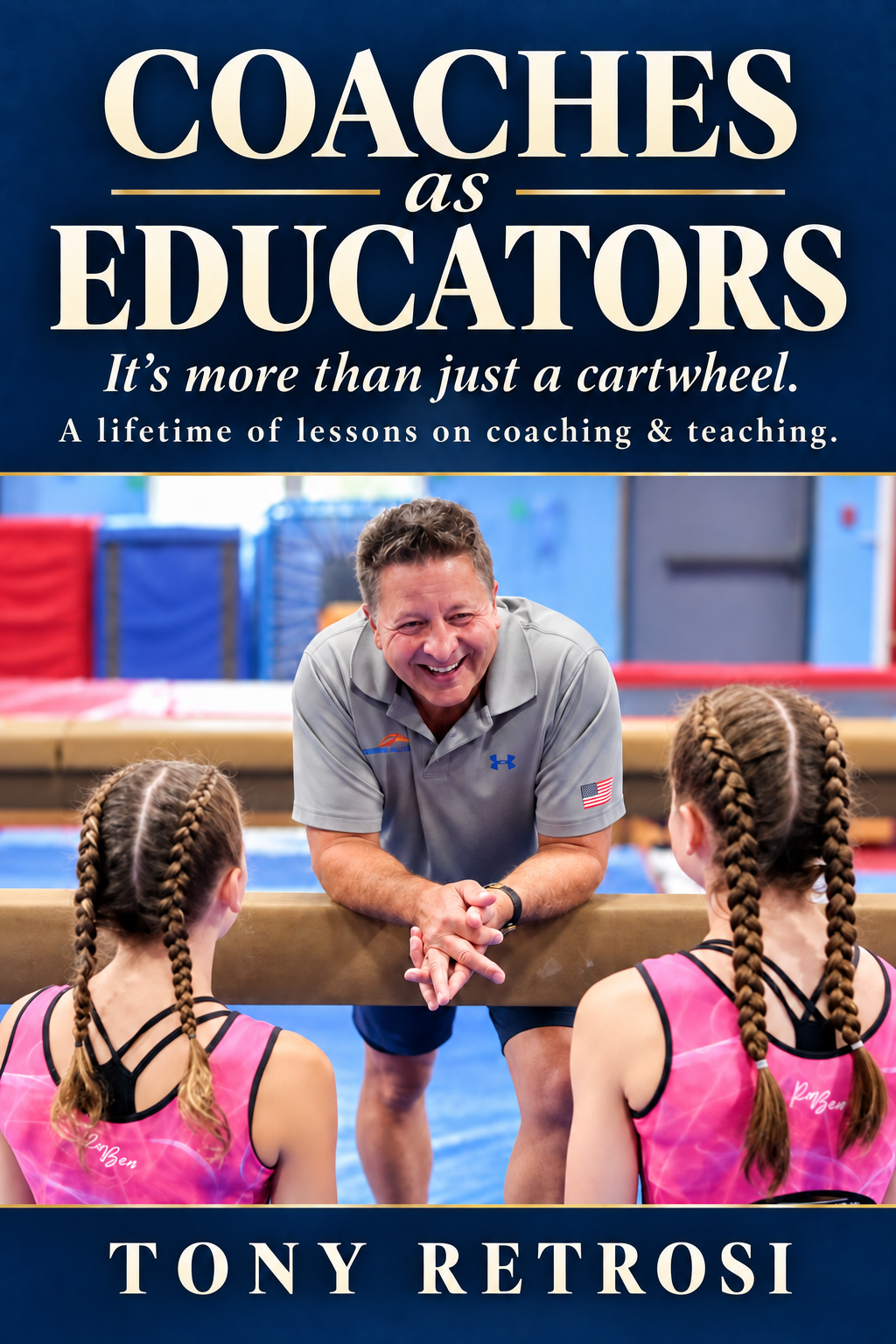
As I watched, I found myself smiling because this is almost exactly what I wrote about in a chapter of my new book, Coaches as Educators, called “The Power of YES.”
I love it when television reinforces something I’ve been teaching for years. It makes me feel very intelligent. At least until I lose the remote control and spend ten minutes looking for it. Or embarrass myself by using the wrong phase in Italian.
The Power of YES
As coaches, we spend an enormous amount of time telling athletes what they are doing wrong.
- No, not like that.
- No, your legs aren’t straight.
- No, you’re not ready for that skill.
- No, we don’t have time.
- No, you can’t.
Sometimes we say NO so quickly that we haven’t even finished listening to the question.
An athlete comes to you and says, “I want to learn a double back.”
You can respond in two ways.
“No. You’re not ready.”
Or…
“YES. And here are the things we need to accomplish before we get there.”
Same athlete. Same goal. Same current ability. Completely different message. One response ends the conversation. The other begins an education.
I’m certainly not suggesting that we blindly agree to everything an athlete wants to do. Safety matters. Preparation matters. Reality matters. I’ve always believed that I should never crush an athlete’s goals, but I shouldn’t fuel their fantasies either.
There is a difference between encouraging a dream and promising an outcome.
YES is not a promise. YES is a possibility.
And sometimes that possibility is exactly what an athlete needs.
Words Are Cheap
But watching Ted Lasso also reminded me of something else. Something perhaps even more important than the lesson itself.
Knowing what to do and actually doing it are two very different things.
I can write a chapter about the power of YES. You can read it. We can both agree that it’s a wonderful idea. And then tomorrow morning, we can walk into the gym and go right back to saying NO to everything.
That’s the problem with education, leadership, and personal development.
Words are cheap. Reading is relatively easy. Understanding a concept isn’t particularly difficult.
Putting it into practice is where the real work begins.
It’s easy to sit in a lecture and nod your head when someone talks about positive coaching. It’s easy to read a book about communication and agree that we should listen more.
It’s much harder to do those things on a Wednesday afternoon when you’re tired, three athletes are struggling with the same correction, someone is crying, and the next group is already waiting to come into the gym.
That’s when your coaching philosophy gets tested. Not when you’re reading about it. Not when you’re listening to a lecture.
When you’re actually coaching.
The Difference Between Knowing and Doing
Over the years, I’ve attended countless clinics, read hundreds of books, and listened to some truly brilliant coaches and educators.
I’ve learned a great deal from them. But the best lesson in the world is useless if it never makes it out of your notebook. You can attend a lecture on athlete-centered coaching and still make every decision without asking your athletes what they think.
You can read about emotional intelligence and still fail to recognize when an athlete is having a difficult day. You can understand the importance of positive communication and still spend an entire practice pointing out mistakes without recognizing a single success.
I know. I’ve made all of those mistakes myself. The goal isn’t perfection. I certainly haven’t achieved that, and I don’t expect to anytime soon.
The goal is improvement. And improvement requires action.
I often tell coaches that they should leave a lecture with at least one idea they can use immediately. Not ten ideas they write down and never look at again.
One idea.
Try it. See what happens. Adjust it. Make it part of your coaching.
Then find another.
That’s how we become better educators.
YES, AND… Requires More Than a Positive Attitude
What I particularly appreciated about the Ted Lasso episode was that Alice learns that simply saying YES isn’t enough.
The AND is just as important.
YES opens the door.
AND gives you somewhere to go.
- “Yes, and let’s figure out what you need to work on.”
- “Yes, and tell me why you think that would help.”
- “Yes, and let’s come up with a plan.”
This isn’t just positive thinking. It’s active teaching. It requires us to listen, collaborate, problem-solve, and sometimes admit that an athlete might have an idea worth considering.
I know. Shocking.
A gymnast might actually know something about their own gymnastics. The more years I coach, the more I realize that my job isn’t to have every answer. It’s to help athletes learn how to find answers.
And sometimes that means getting out of their way.
Now Comes the Hard Part
So here’s my challenge to coaches, teachers, and even parents.
Tomorrow, pay attention to how often you say NO.
Not the necessary NOs. Those will always exist.
Pay attention to the automatic ones.
The ones that come from habit, impatience, or simply being too busy to consider another possibility.
When someone comes to you with an idea, a question, or a goal, try responding with:
YES, AND…
Then actually do something with it. Don’t just admire the philosophy.
Practice it.
Because at the end of the day, our athletes don’t care how many coaching books we’ve read, how many lectures we’ve attended, or how many clever quotes we can put on the gym wall.
They care about what we do. They remember how we made them feel. They remember whether we listened. They remember whether we believed in them.
And they remember whether we helped them find a way forward.
More Than Just a Cartwheel
This is one of the central messages of my new book, Coaches as Educators.
After almost 40 years of coaching, I’ve learned that the most important lessons we teach often have very little to do with gymnastics.
We teach confidence, resilience, problem-solving, communication, and the ability to learn from failure. But we also need to hold ourselves to those same standards.
I didn’t write this book because I have all the answers. I wrote it because I’ve spent a career asking questions, making mistakes, learning from other people, and trying to become a better coach.
My hope is that the book gets coaches thinking. But more importantly, I hope it gets them doing.
Coaches as Educators is available now as an eBook. The English paperback edition will be released Monday, November 16. An Italian edition is planned for January 2027, with a Spanish edition to follow.
I’m excited to share the book, but even more excited about the conversations and ideas I hope it generates.
Because reading a book doesn’t make you a better coach.
What you do with what you’ve read does.
And maybe the next time an athlete comes to you with an idea, instead of immediately explaining why it won’t work, you’ll start with two simple words.
YES, AND…
Then get to work.
Tony Retrosi
Gym Momentum
Coaches as Educators
It’s more than just a cartwheel. A lifetime of lessons on coaching & teaching.